In a novel community-led initiative, residents of Sector P3 in Greater Noida have launched a campaign to tackle the persistent problem of littering and enhance sanitation in their neighborhood. The drive, which emphasizes polite persuasion and positive reinforcement, is being spearheaded by the sector's Residents' Welfare Association (RWA) with support from the Greater Noida Industrial Development Authority (GNIDA).
A 'Munnabhai' Style Drive for Cleanliness
The campaign encourages residents to actively engage with anyone they see littering in public areas. The protocol involves politely requesting the person to stop and, once they comply, taking a selfie with them. These photographs are then shared with the RWA. Approximately 7,000 residents living across four blocks (A to D) are part of this sector-wide effort.
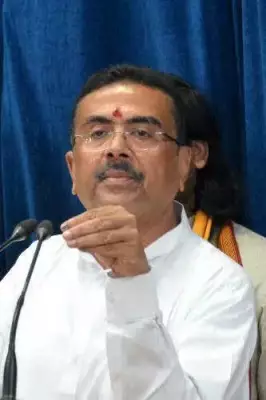
To motivate participation, the RWA is offering a unique incentive. Residents who successfully intervene will be recognized and felicitated with tokens of appreciation like flowers and chocolates. Amit Bhati, President of the Sector P3 RWA, described the campaign as a "kind of Munnabhai drive" and named it 'stop, correct and adopt cleanliness.'

"We are serious about cleanliness and expect everyone to uphold these standards," Bhati affirmed, stressing that the campaign's success hinges on full cooperation from all residents.
GNIDA's Role: Infrastructure, Awareness, and Enforcement
The campaign is not solely reliant on goodwill. GNIDA provides the essential backbone of door-to-door waste collection services. Officials highlight that a combination of infrastructure, awareness, and enforcement is crucial for the drive's success.
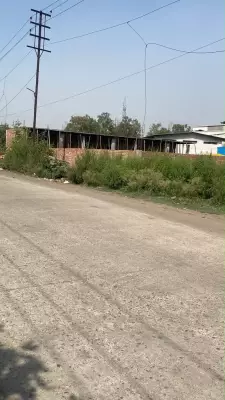
While awareness drives are ongoing, enforcement remains a key component. The RWA will identify repeat offenders and report them to GNIDA, which has the authority to issue challans (fines) for open waste disposal. An assistant manager from GNIDA noted that the main challenge lies in the implementation of devised solutions.
Through surveys, GNIDA's waste collection teams are identifying chronic offenders who dump waste in the open. "These are mostly students or working professionals who are either not available when the waste collection vans visit or are traveling," explained an official.
Innovative Solutions for Busy Residents
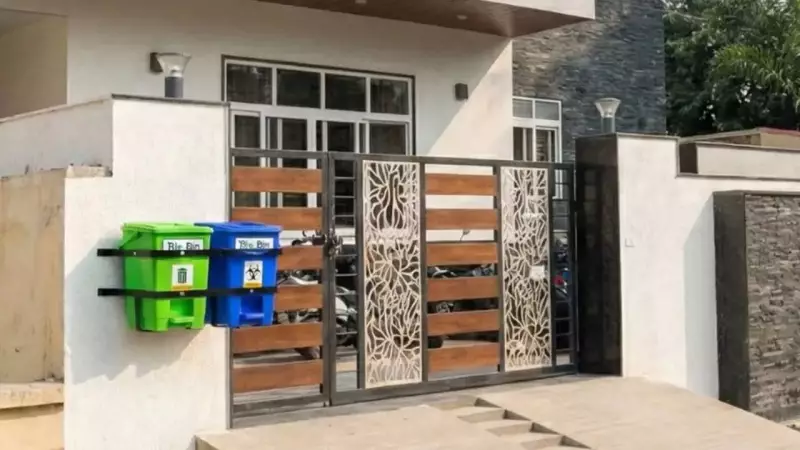
To address the specific issue of mismatched timings between residents and garbage vans, GNIDA is rolling out a practical solution. The authority plans to provide hanging dustbins of 10, 15, or 20 litres at a cost to the residents. These bins can be fixed at the corner of a resident's boundary wall, allowing them to dispose of waste at their convenience, which will then be collected by GNIDA vans.
Fifty such dustbins have already been procured, costing between Rs 1,500 to Rs 2,000 each. This initiative aims to eliminate the excuse for public dumping. According to officials, similar sensitization efforts in the East Greater Noida region have yielded 70% positive results, and the goal is to expand this drive across all sectors of the city.
The Sector P3 campaign represents a multifaceted approach to urban cleanliness, blending community vigilance, positive recognition, administrative support, and tailored infrastructure to create a cleaner living environment.