Greater Bengaluru Authority Implements New Waste Segregation Rule for High-Rise Buildings
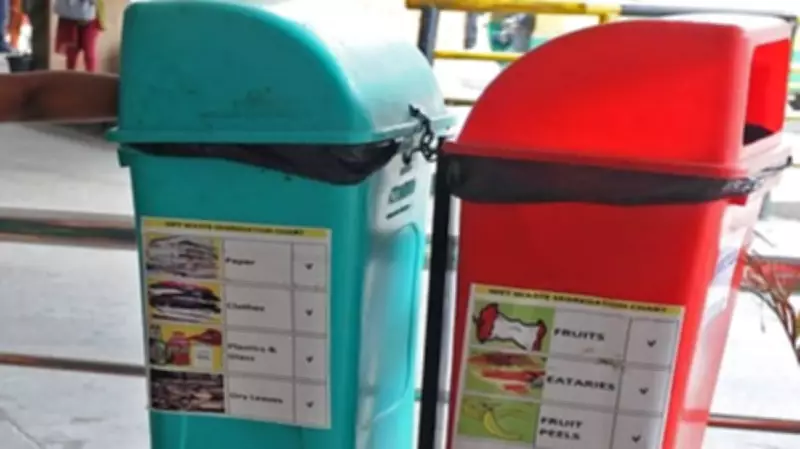
The Greater Bengaluru Authority (GBA) has introduced a mandatory regulation requiring separate bins for wet and dry waste in all buildings with more than three floors across Bengaluru. This initiative aims to enhance the city's waste management system, reduce environmental pollution, and promote sustainable practices among residents and property owners.
Key Details of the GBA Mandate
Under the new rule, buildings exceeding three floors must install distinct containers for wet waste, such as food scraps and organic materials, and dry waste, including plastics, paper, and metals. The GBA emphasizes that this segregation at the source is crucial for efficient recycling and composting processes, which can significantly cut down the volume of waste sent to landfills.
Compliance and Enforcement Measures

The authority has outlined strict compliance guidelines, with property managers and residents responsible for ensuring proper waste separation. Regular inspections will be conducted by GBA officials to monitor adherence, and non-compliance may result in penalties or fines. This move is part of a broader effort to tackle Bengaluru's growing waste crisis, which has strained local infrastructure and led to health concerns in recent years.
Impact on Urban Waste Management
By mandating source segregation, the GBA expects to improve the efficiency of waste collection and processing systems. Wet waste can be diverted to composting facilities, generating organic fertilizer, while dry waste can be sorted for recycling, reducing resource depletion and environmental harm. Experts predict that this policy could serve as a model for other Indian cities grappling with similar waste management challenges.
Residents and stakeholders are encouraged to participate actively in this initiative to foster a cleaner and greener Bengaluru.