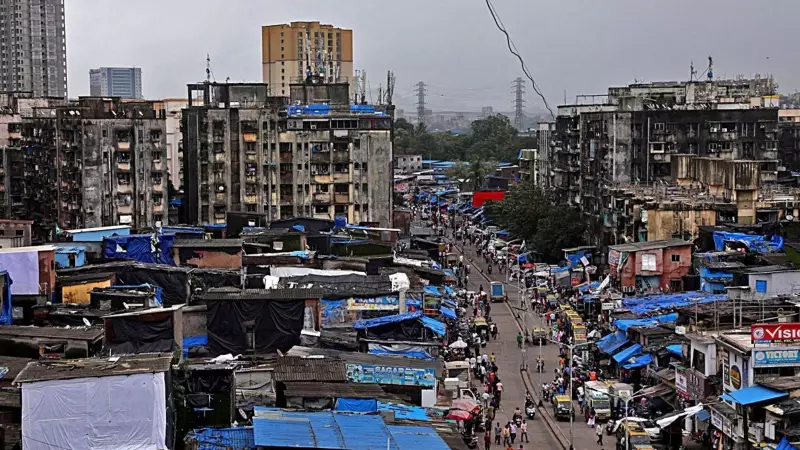
Mumbai's G/North ward, a bustling area encompassing the dense Dharavi slum belt and the commercial hubs of Dadar and Mahim, stands on the cusp of significant transformation. With the long-awaited Dharavi redevelopment project finally gaining momentum, the ward anticipates a tide of change. However, as the city gears up for the crucial civic polls on January 15, 2025, residents are voicing pressing concerns over decades-old civic issues that continue to plague their daily lives.
Chronic Congestion and Hawker Menace at Dadar
The area around the pivotal Dadar railway station, which serves as the intersection for Western and Central Railway lines, is perpetually choked. The crisis is compounded by rampant encroachments on footpaths, unregulated hawkers selling clothes and other wares on the streets, and the bustling flower and vegetable market beneath the flyover. For pedestrians and commuters, this not only consumes already limited space but also leads to heaps of solid waste littering the roads.
Chetan Kamble, a local resident and founder of Chakachak Dadar, highlighted specific traffic choke points. "The fish market and the flower market along the Dadar station stretch have become major bottlenecks," he stated. He further pointed out that the closure of the Elphinstone bridge has drastically increased the traffic load on the Tilak bridge, exacerbating congestion.

Pigeon Feeding and Dust Pollution: New Age Woes
A short walk from the station lies the Dadar Kabutarkhana (pigeon feeding area), which became a contentious issue earlier this year. While organized feeding at this spot has stopped, the problem has merely shifted. "People have started feeding pigeons on their terraces, creating multiple new feeding spots," explained Kamble. This has led to respiratory issues among locals, and despite a ban, authorities have struggled to curb the practice effectively.
Further into the ward, in the neighbourhoods around Shivaji Park, a different kind of pollution is causing distress. Red dust from the park's grounds covers the area in a thin film, triggering chronic respiratory problems among residents. This emerging issue has become a fresh point of grievance in the lead-up to the elections.
Dharavi's Core Struggles Amid Redevelopment Hopes
In Dharavi, one of the world's largest slum belts which straddles seven electoral wards of G/North, basic amenities remain elusive. Activist Samya Korde, a Dharavi native contesting from ward 187 on a Peasants and Workers Party of India (PWPI) ticket, outlined the critical challenges. "Clean drainage systems and sanitation are among the biggest issues," she said. The clogging of drains and unsafe water supply lead to frequent outbreaks of malaria and dengue. Additionally, theft from illegal water and electricity connections is a persistent problem in the dense slum pocket.
The looming redevelopment project, while a beacon of hope, also brings insecurity. There is widespread anxiety among residents about their eligibility for rehabilitation. "Redevelopment has to happen but it should not scatter people from their homes. Residents should be made eligible first, and then development work should be undertaken," echoed Samya Korde, capturing the prevailing sentiment.
The G/North ward encompasses 11 electoral wards and an electorate of over 4.21 lakh voters, predominantly Maharashtrians. Traditionally a stronghold of the Shiv Sena and the Maharashtra Navnirman Sena (MNS), political dynamics have shifted due to defections and splits. Currently, seven wards are held by Shiv Sena (UBT) candidates, three by the Mahayuti alliance (with two under the Shinde-led Shiv Sena), and one ward (184) by Congress candidate Babbu Khan. As the poll date approaches, the resolution of these deep-rooted civic issues will be a decisive factor for the electorate.