In a unique and elaborate operation to ensure the safety of its prestigious Republic Day airshow, the Delhi government has devised a plan involving a massive quantity of chicken meat. The aim is to divert black kites, a common raptor in the capital's skies, away from the flight path of high-performance fighter jets and aircraft.
The Meat-Based Deterrence Strategy
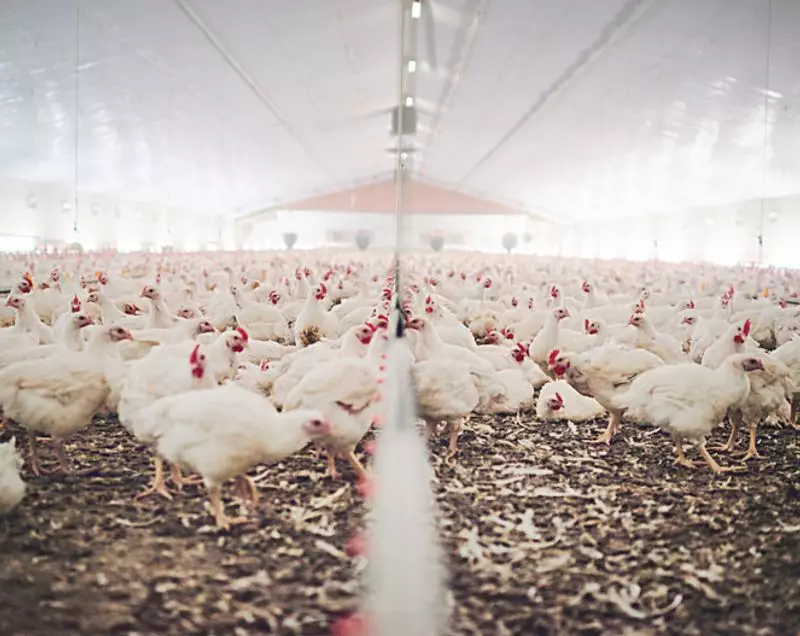
The plan, as detailed by officials, involves placing approximately 1275 kilograms of chicken meat at specific feeding sites. These sites are strategically located to lure the birds away from the central vista and the airshow corridor. The feeding will be conducted under the supervision of the Delhi government's Forest and Wildlife Department.
This initiative is part of a broader effort to mitigate the significant bird-hit hazard that black kites pose during the aerial display. The birds of prey are abundant in Delhi, especially around areas like the Ram Lila grounds in Delhi Cantonment, and their presence at low altitudes is a serious risk to fast-moving aircraft.

Coordinated Efforts for a Safe Airspace
The entire operation is a result of close coordination between multiple agencies. The Delhi Forest department is working in tandem with the Indian Air Force (IAF) and the New Delhi Municipal Council (NDMC). The IAF had formally requested the Delhi Chief Secretary's intervention to address this persistent threat to flight safety.
Officials have identified that the kites are often attracted to the area due to food waste and offerings at religious sites. The controlled feeding with chicken meat is intended to satiate the birds and keep them grounded or concentrated away from the flight path during the critical hours of the airshow on January 26.
Logistics and Execution
The procurement and distribution of such a large volume of meat require meticulous planning. The department has been tasked with ensuring the meat is fresh and placed at the designated spots to effectively attract the kites. This is not a one-day activity; the feeding is likely to commence in the days leading up to the Republic Day celebrations to condition the birds to the new feeding locations.
This method is considered a more humane and immediate alternative to other bird dispersal techniques like using recorded distress calls or lasers, which may be less effective for a large, scattered population of opportunistic feeders like black kites.
Ensuring a Spectacle Without Incident
The Republic Day airshow is a highlight of the national celebrations, featuring advanced aircraft like the Rafale, Sukhoi Su-30 MKI, and various helicopters. A bird strike, even with a small kite, can cause catastrophic damage to an aircraft engine or cockpit at high speeds, endangering pilots and spectators alike.
By implementing this bird hazard management plan, the authorities are taking a proactive and innovative step. The success of this chicken feed strategy will be crucial in guaranteeing that the skies over Kartavya Path remain clear, allowing the airshow to proceed smoothly and safely, showcasing India's aerial prowess without any untoward incidents.
This incident underscores the complex challenges of organizing large-scale public events in urban ecosystems and highlights the creative solutions wildlife departments must employ to balance safety with coexistence.