Delhi's New Parking Fee Rule Sparks Confusion Amid Pollution Control Measures
The Delhi government has issued a fresh notification that introduces significant changes to vehicle parking fees during periods of severe air pollution. This move, however, has created confusion as it appears to contradict existing guidelines set by the Commission for Air Quality Management (CAQM).
Notification Details and Contradictions
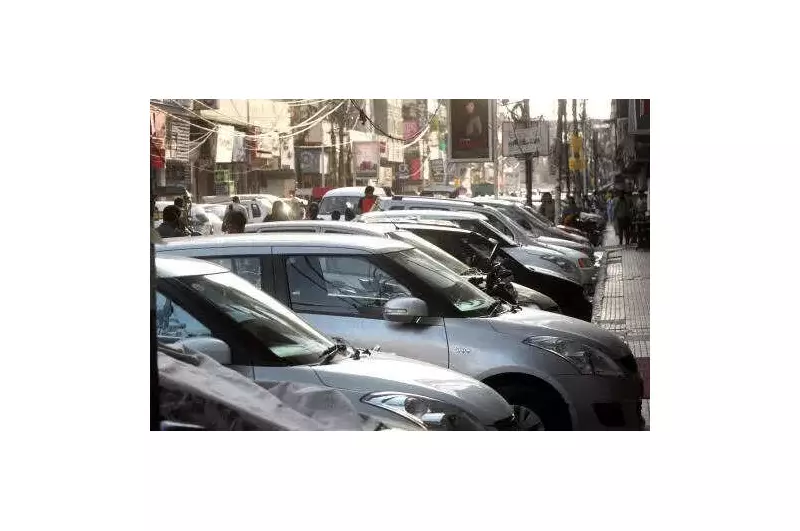
In a notification dated January 8, the Delhi government invoked Section 5 of the Environment (Protection) Act, 1986, to implement a crucial directive. According to this notification, vehicle parking fees will be doubled whenever Stage III (severe) or Stage IV (severe-plus) of the Graded Response Action Plan (GRAP) is imposed in the city.
This directive directly conflicts with the GRAP schedule established by CAQM, which clearly mandates that parking fees should be enhanced at Stage II itself. The discrepancy has led to widespread confusion among residents and stakeholders who are now uncertain about which guideline to follow.

Purpose and Exemptions
The enhanced parking fee aims to serve as a deterrent, discouraging people from using personal vehicles during peak pollution days. By making parking more expensive, authorities hope to encourage greater use of public transportation, thereby reducing vehicular emissions that contribute to Delhi's notorious air quality problems.
The notification includes an important exemption clause: parking spaces owned and managed by the Delhi Metro Rail Corporation will not be subject to this fee hike. This exemption recognizes the essential public transport connectivity provided by Delhi Metro and its park-and-ride facilities, which are crucial for commuters.
Public Reaction and Implementation Status
BS Vohra, president of the Federation of East Delhi Residents Welfare Associations, expressed concern about the conflicting guidelines. He emphasized the need for a single, unified GRAP schedule across Delhi-NCR to eliminate confusion among the public.
"There should be one common schedule of GRAP in Delhi-NCR, leaving no scope for confusion among the public," Vohra stated. He further demanded, "Even a study should be done to see if revising the parking fee has any impact on the air quality."
Implementation of parking fee hikes has been inconsistent across different municipal bodies. While the New Delhi Municipal Council (NDMC) doubled parking rates at its off-street and multilevel parking facilities last October after Stage II was invoked, the Municipal Corporation of Delhi has yet to implement similar measures.
Lack of Official Response
Neither the Commission for Air Quality Management nor the Delhi government provided immediate responses to queries about the contradictory guidelines. This silence has further compounded the uncertainty surrounding the implementation of pollution control measures in the national capital.
The situation highlights the challenges in coordinating pollution control measures across different government bodies and implementing consistent policies that effectively address Delhi's persistent air quality issues.