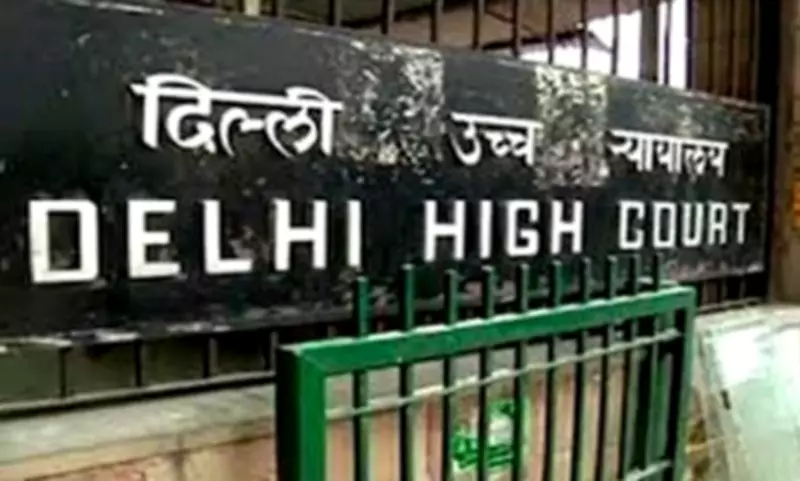
The Delhi High Court has upheld the Telecom Regulatory Authority of India's (TRAI) regulation that limits television advertisements to a maximum of 12 minutes per hour. This decision came as a blow to broadcasters who had challenged the regulation, arguing that it infringed upon their freedom of speech and commercial rights.
Background of the Case
TRAI had introduced the 12-minute ad cap in 2013 to prevent excessive commercial interruptions during television programs. The regulation applied to all TV channels, including news, entertainment, and sports channels. Several broadcasters, including news channels, petitioned the Delhi High Court against this rule, claiming it was arbitrary and violated their fundamental rights.
Court's Ruling
A division bench of the Delhi High Court, comprising Justice S. Muralidhar and Justice Sanjeev Narula, dismissed the petitions, stating that the regulation was reasonable and in the public interest. The court observed that the ad cap was necessary to protect viewers from being bombarded with excessive advertisements and to ensure a better viewing experience.

The court further noted that TRAI had the authority to regulate the broadcasting sector under the TRAI Act. It emphasized that the regulation was not arbitrary but based on a balanced approach between the interests of broadcasters and viewers.
Implications for Broadcasters
With this ruling, broadcasters must comply with the 12-minute ad limit per hour. They can no longer exceed this limit, which may impact their advertising revenue. However, the court suggested that broadcasters could explore other innovative ways to generate revenue without compromising viewer experience.
Reactions from Stakeholders
TRAI welcomed the court's decision, stating that it would help maintain the quality of television content. Consumer advocacy groups also praised the ruling, saying it would protect viewers from excessive commercials. On the other hand, broadcasters expressed disappointment but indicated they would abide by the court's order.
This judgment is likely to have a significant impact on the Indian television industry, as it reinforces the regulator's power to set standards for advertising. It also sets a precedent for similar cases in other countries where ad limits are debated.