The Delhi government announced on Saturday that it has cleared funding for the remaining corridors of Delhi Metro's Phase-IV expansion. This move provides fresh momentum to the long-pending project aimed at enhancing the capital's mass rapid transit network.
Funding Details and Corridor Specifications
According to the Chief Minister's Office, the government has released its share for three new Metro corridors. The total investment amounts to Rs 14,630 crore for a 47.2-kilometer network. Delhi government's contribution to this project stands at Rs 3,386 crore.
Three Key Corridors Approved
The approval covers three specific corridors:

- Rithala–Kundli corridor: This is the longest stretch, extending connectivity from Delhi to Haryana.
- Lajpat Nagar–Saket G-Block corridor: This line will improve links across south Delhi.
- Inderlok–Indraprastha corridor: This corridor aims to enhance connectivity in central and north Delhi.
Officials have set a target for completing all these corridors within four years.
Expected Benefits and Current Progress
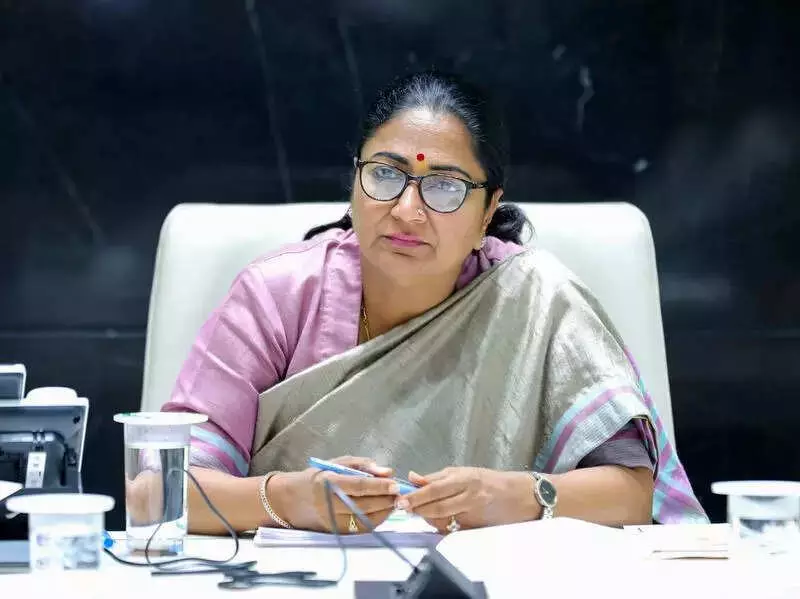
Chief Minister Rekha Gupta emphasized that this expansion will help ease traffic congestion and reduce pollution by encouraging greater use of public transport. The new lines are expected to significantly cut travel time for commuters and decongest arterial roads across the city.
Officials reported that the tendering process for these corridors is currently underway. Initial work has already begun in some sections, indicating steady progress toward the four-year completion goal.
Local Infrastructure Development
Later on Saturday, Chief Minister Gupta inaugurated development work worth approximately Rs 100 crore in the RK Puram Assembly constituency. This signals the government's focus on improving local infrastructure alongside large-scale projects like the Metro expansion.
The local works include:
- Laying and repair of roads
- Renovation of chaupals (community gathering spaces)
- Park beautification initiatives
This dual approach demonstrates a comprehensive strategy to enhance both city-wide transit systems and neighborhood-level amenities for Delhi residents.