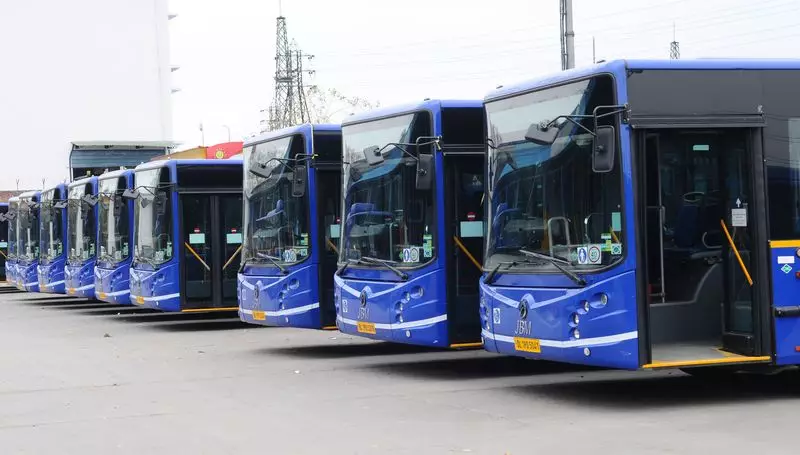
In a significant move aimed at enhancing urban mobility, the Delhi Transport Corporation (DTC) has put forward a proposal to introduce two new bus routes within the national capital. The primary objective of this initiative is to strengthen last-mile connectivity, specifically targeting improved access to key metro stations. This step is seen as a crucial effort to bridge existing gaps in the city's public transportation network.
Details of the Proposed Bus Routes
The proposal, which is currently under consideration, outlines the specifics of the two planned routes. The first proposed route is designed to connect the bustling area of Nehru Place with the Sarita Vihar metro station. This connection is expected to serve a large number of daily commuters, including professionals and students, who travel to and from these important hubs.
The second route in the DTC's plan will link the Saket metro station with the Sangam Vihar area. Sangam Vihar, a densely populated locality, has historically faced challenges with seamless public transport integration. This new bus service is poised to provide a much-needed direct link to the Delhi Metro network, simplifying travel for thousands of residents.

The proposal was formally presented during a recent meeting of the Unified Traffic and Transportation Infrastructure (Planning & Engineering) Centre, highlighting its importance in the city's broader transport planning framework.
Addressing the Last-Mile Connectivity Challenge
A persistent issue for Delhi's otherwise robust metro system has been the 'last-mile' problem—the final leg of a commuter's journey from the metro station to their home or workplace. While the metro covers large distances efficiently, the lack of convenient, affordable, and reliable transport options for this last segment often discourages potential riders.
The introduction of these two dedicated bus routes is a direct response to this challenge. By creating feeder services that originate from or terminate at metro stations, the DTC aims to create a more integrated and user-friendly multi-modal transport system. This integration is vital for encouraging a larger shift from private vehicles to public transport, thereby reducing traffic congestion and pollution.
The move aligns with broader governmental efforts to make public transportation more accessible and efficient for all citizens of Delhi. Seamless connectivity is no longer a luxury but a necessity for a megacity's sustainable growth.
Expected Impact and Future Implications
The successful implementation of these routes is anticipated to bring tangible benefits to daily commuters. Residents of Sangam Vihar and those traveling to Nehru Place will experience reduced travel time and lower costs associated with intermediate auto-rickshaw or taxi rides. It will also enhance accessibility for a wider demographic, including students, elderly citizens, and daily wage workers.
From an urban planning perspective, this proposal sets a precedent. It demonstrates a focused approach to solving specific connectivity gaps rather than adopting a one-size-fits-all solution. If these pilot routes prove successful, it could pave the way for a series of similar feeder bus services across other parts of Delhi, creating a comprehensive web of connectivity that supports the metro's reach.
The final approval and operationalization of these routes now depend on the necessary administrative and logistical clearances. Commuters and urban transport advocates will be watching closely, hoping for a swift rollout that delivers on the promise of a smoother, more connected Delhi.