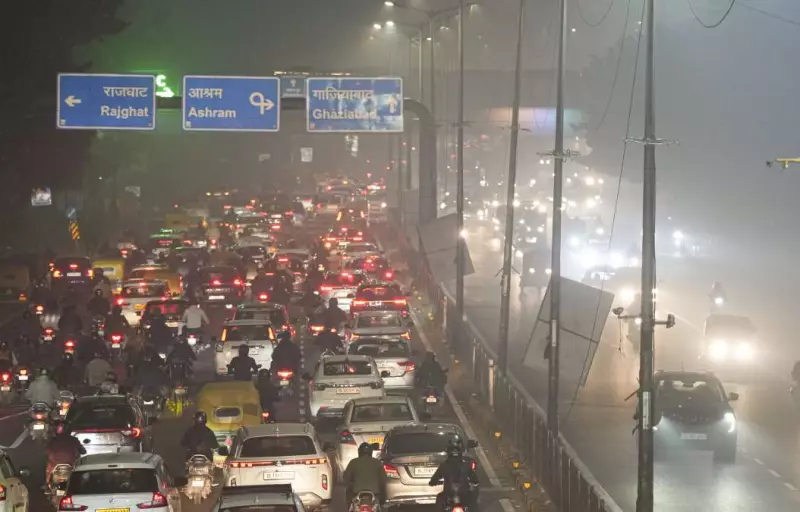
In a stringent move to combat the capital's hazardous air quality, the Delhi government's 'No PUC, No Fuel' drive kicked off with a strong enforcement push on Wednesday. On its very first day, authorities issued a staggering over 3,700 challans to vehicle owners found driving without a valid Pollution Under Control (PUC) certificate.
Massive Enforcement on Day One
The drive, which was officially launched on December 18, 2024, saw teams from the Transport Department and the Delhi Traffic Police conducting rigorous checks across the city's fuel stations. The primary objective was clear: to deny refueling to any vehicle that could not produce a valid PUC certificate. This proactive step is part of a broader action plan under the Graded Response Action Plan (GRAP) to tackle the severe air pollution that plagues Delhi-NCR during the winter months.
The enforcement was widespread and decisive. Officials stationed at petrol pumps were tasked with verifying the PUC status of every vehicle before allowing fuel to be dispensed. Those found in violation were not only turned away from the pump but were also slapped with a challan on the spot. The fine for driving without a valid PUC certificate is Rs 10,000 under the provisions of the Motor Vehicles Act.

The Rationale Behind the Crackdown
The 'No PUC, No Fuel' initiative is a critical component of the government's strategy to cut down emissions from vehicular sources, which are a major contributor to Delhi's toxic air. A PUC certificate is a mandatory document that verifies a vehicle's emissions are within the prescribed limits set by the Central Pollution Control Board (CPCB). By ensuring that only vehicles with compliant PUC certificates get fuel, the drive aims to compel owners to regularly maintain their vehicles and get them tested for pollution levels.
This drive comes at a time when Delhi's Air Quality Index (AQI) often fluctuates between the 'poor' and 'severe' categories. The government has been under immense pressure to implement effective and immediate measures to safeguard public health. The high number of challans on the first day indicates both the scale of non-compliance among vehicle owners and the administration's serious intent to enforce the rule.
Public Response and Future Implications
The sudden and strict enforcement led to long queues and some confusion at several fuel stations, as many drivers were caught unaware or had allowed their PUC certificates to lapse. Transport Department officials have urged all vehicle owners to immediately check the validity of their PUC certificates and renew them if necessary to avoid penalties and inconvenience.
The drive is expected to continue as a sustained effort. Authorities have warned that the checks will be ongoing and random, with no prior warnings. This move is likely to significantly increase the rate of PUC compliance, which in turn could lead to a measurable reduction in vehicular pollution if maintained over time. It also signals a shift towards stricter on-ground enforcement of existing environmental laws, rather than just announcing new policies.
For Delhi's residents, the message is unequivocal: ensuring your vehicle has a valid PUC certificate is no longer optional but a strict requirement to avoid hefty fines and contribute to cleaning the city's air.