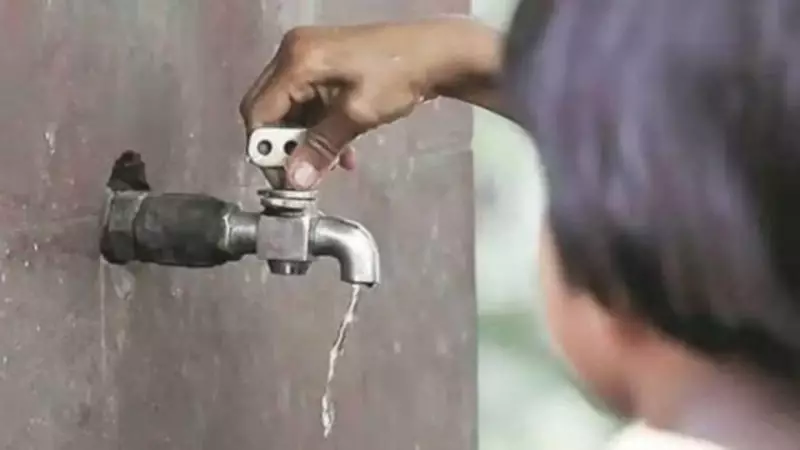
In a significant move to revamp its water infrastructure, the Chandigarh Municipal Corporation is considering forging international collaborations with countries like Israel and Russia to realise its ambitious city-wide 24x7 water supply project. This proposal is set for discussion in the upcoming MC meeting, as authorities seek technology-driven solutions without imposing a heavy financial burden on citizens.
Exploring Global Expertise for Local Solutions
The project, initially pegged at Rs 412 crore, aims to modernise the ageing distribution network, enhance service reliability, and drastically cut down non-revenue water (NRW) – water that is produced but lost before reaching consumers. However, with costs escalating, the UT administration is re-evaluating its approach. Drawing lessons from the pilot project in Manimajra, officials are advocating for a more "realistic and data-driven approach."
Public health officials have prepared a detailed note outlining eight distinct options for the House's consideration. The first and most notable option suggests exploring collaboration with international partners who can offer technical assistance, grants, or capacity-building support instead of high-interest loans. The note specifically mentions nations with proven expertise: Israel, renowned for its advanced water management and leak reduction technologies, and Russia, with experience in large-scale infrastructure modernisation. Such partnerships, facilitated through bilateral programmes with the Government of India, could reduce financial risk and avoid tariff pressure on consumers.

Multiple Models on the Table
Beyond international aid, the MC is weighing several other implementation models:
Public-Private Partnership (PPP): This model involves selecting a technically qualified private operator through a transparent bidding process. Ownership would remain with the MC, but payments would be linked to performance, inspired by successful projects like the Bhubaneswar Bulk Water Supply Scheme.
Central Government Funding: Seeking additional support from the centre for the estimated Rs 1,741.28 crore required for comprehensive upgrades, including pipeline replacement and smart metering. This would lessen dependence on loans recovered from consumer charges.
Phased, Ward-wise Approach: A gradual implementation over five to ten years, working within the city's existing financial capacity to avoid sudden burdens on residents.
Model Zone Implementation: Fully executing the 24x7 supply in one selected zone using available funds to create a benchmark for future city-wide expansion.
Other options include complete privatisation with strong regulatory oversight, hiring a specialised agency solely for NRW reduction, and a hybrid model where the MC retains control but engages private experts for specific technical tasks like metering.
Leadership Calls for Upgraded Infrastructure
Chandigarh Mayor Harpreet Kaur Babla has emphasised the urgent need for improved water service. Speaking to The Indian Express, she stressed the importance of better water quality, adequate supply pressure, and upgraded pipeline standards to prevent contamination. Mayor Babla also expressed anticipation for the next House meeting, noting that Punjab Governor and UT Administrator Gulab Chand Kataria will be in attendance, highlighting the project's significance.
The forthcoming deliberations will be crucial in determining the path forward for Chandigarh's water security, balancing technological advancement with financial prudence to ensure a sustainable and reliable water supply for all residents.