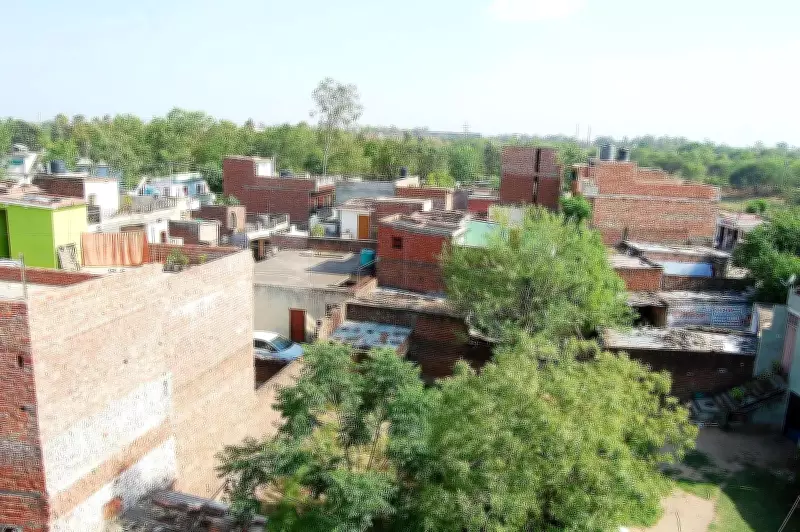
The central government on Wednesday adopted the Punjab Abadi Deh (Record of Rights) Act, 2021, for the Union Territory of Chandigarh, aiming to provide a modern legal framework for survey and recording of ownership rights in habitation areas (abadi deh) of villages. These areas have historically remained outside formal land records, leading to disputes and lack of clarity.
Key objectives of the Act
The Act is expected to bring clarity in ownership, reduce disputes, and support better land administration and planned urban development. The abadi deh area in Chandigarh has remained without recording of rights of the proprietors, preparation of record, or marking of boundaries through surveys. This has resulted in disputes about demarcation and identification of rights, besides causing hardship in effective transfer of rights.
Alignment with NAKSHA Programme
The extension of this Act is aligned with the Government of India's NAKSHA (National Geospatial Knowledge-based Urban Habitation Land Survey) Programme, under which Chandigarh has been identified as a pilot area for geospatial land surveys. The Act provides a comprehensive legal framework for survey, identification, and recording of ownership rights.

Features of the Act
- Scientific survey: The law provides for scientific survey and demarcation of abadi deh areas using modern geospatial technologies, enabling accurate mapping of land parcels.
- Ownership identification: Ownership of each land parcel will be identified and recorded, providing legal recognition to existing possession and reducing uncertainty.
- Formal Record of Rights: A formal Record of Rights will be prepared with legal sanctity, ensuring reliability and authenticity of land records.
- Transparent process: Provision for objections, appeals, and revision ensures a structured process for addressing disputes.
- Common land identification: The law will enable identification of common and public land, helping prevent encroachments and reduce disputes.
- Integration with revenue records: Final records will be integrated with the revenue record system, strengthening overall land administration.
- No new liabilities: The extension does not create any new offences, taxes, or financial liabilities, and does not affect the jurisdiction of courts.
Expected benefits
According to a senior UT official, the preparation of this record would provide for development of abadi deh that preserves village heritage, upgrade civic services and environment, integrate villages with planned urban development, enhance land value by improving layout, and provide a road map for development norms in an easy manner.