Bengaluru Designates 498 Official Feeding Spots for Street Dogs
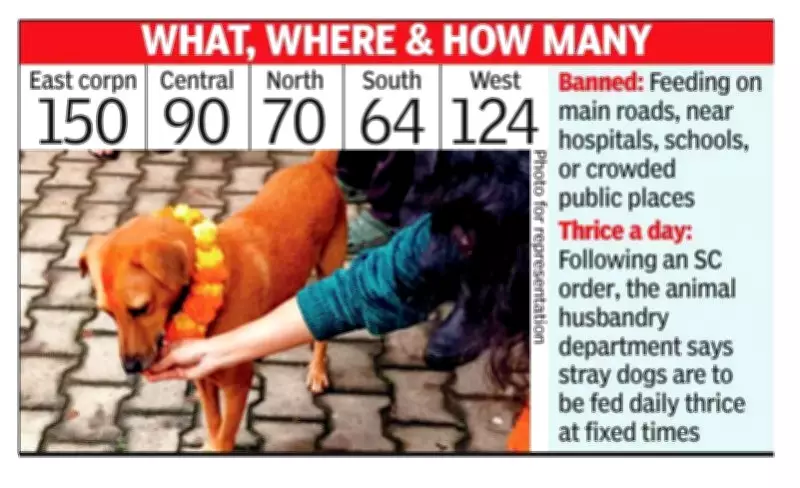
In a significant move to harmonize animal welfare with public safety, the five city corporations of Bengaluru have officially identified 498 feeding spots for street dogs across the metropolitan area. These designated locations are now the only sanctioned spaces within city limits where residents can feed stray canines, marking a structured approach to managing the urban stray population.
Expansion Plans and Long-Term Vision
The initiative is set to grow substantially in the coming years. Authorities plan to establish at least 2-3 feeding zones per ward, and with a total of 369 wards in Bengaluru, the number of official feeding spots could eventually exceed 700. This expansion aims to ensure better accessibility and coverage, addressing the needs of both dogs and citizens.
An official from the South city corporation noted that the current 498 spots are based on the old ward system and will be revised and increased to reflect current urban layouts. "We recognize the need for more feeding zones to make this initiative effective and convenient for all," the official stated.

Rules and Responsibilities for Citizens
Citizens who wish to feed street dogs must adhere to strict guidelines at these designated spots. Feeders are required to provide food only at the marked locations and must ensure the area is cleaned thoroughly afterward. No bowls or plates will be provided at the sites, placing the onus on individuals to maintain hygiene.
"The responsibility lies mostly on the public," explained an animal husbandry official, highlighting the civic role in this program. "We are understaffed to monitor every feeding zone, so community cooperation is crucial."
Debate and Practical Challenges
The move has ignited a debate among stakeholders. Critics argue that with limited staff to monitor feeding points, the Greater Bengaluru Authority (GBA) appears to be shifting responsibility onto citizens rather than taking a more hands-on approach. Practical concerns have also been raised:
- Should feeders wait until dogs finish eating to prevent food waste or dumping?
- Could stale food accumulate at feeding spots, creating health hazards?
- Might irregular feeding trigger territorial conflicts or behavioral changes among stray packs?
Animal activist Sujaya Jagadeesh emphasized the need for multiple spots due to dogs' territorial nature. "Packs of dogs would not share common feeding spots," she said. "GBA should ensure allocated spots are clean, away from rubbish and human disturbance, reflecting respect for these living creatures."
Background and Official Guidelines
This initiative follows Supreme Court and Animal Welfare Board of India guidelines, which promote structured feeding to reduce dog aggression and support ongoing sterilization and vaccination drives. 'Feeding point' signboards will be installed at all approved sites to clearly mark them for public use.
With these official feeding spots in place, the Bruhat Bengaluru Mahanagara Palike's (BBMP) previous plan for regular feeding of stray dogs has been revoked, according to sources. This shift aims to create a more organized and sustainable system.
Voices from the Ground
North city commissioner Pommala Sunil Kumar acknowledged the insufficiency of current spots, stating, "Seventy spots are definitely not sufficient for my corporation; we will increase the number soon."
Activist Nandita Subbarao warned about the risks of irregular feeding, noting it could lead to aggressive behavior in dogs. "Non-regular feeders will not stay until the dogs complete eating food. The dogs' behavior depends largely on food," she explained. Subbarao also stressed the importance of public education, adding, "There is no point in implementing initiatives which don't educate people on stray dogs. Humans are attacking and abusing stray dogs, which is not a good sign."
As Bengaluru moves forward with this ambitious plan, the success of the feeding spot initiative will hinge on a delicate balance between civic responsibility, practical implementation, and a genuine commitment to animal welfare in India's tech capital.