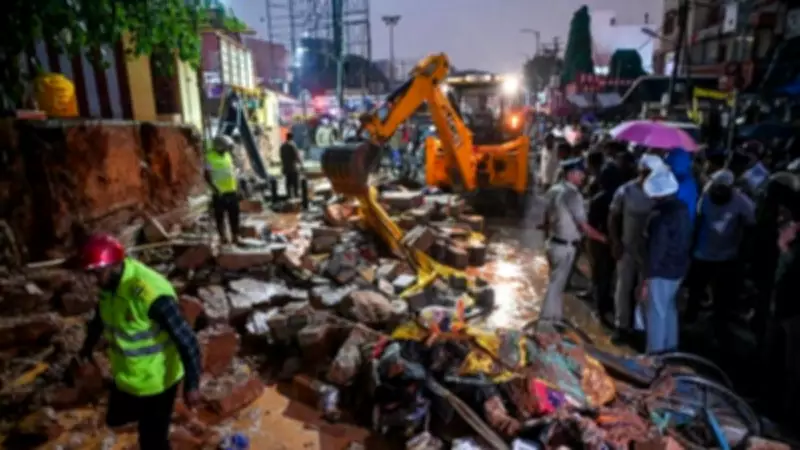
Another spell of rain has brought Bengaluru to its knees, exposing the city's chronic civic neglect and lack of preparedness. The downpour on Wednesday caused widespread waterlogging, traffic snarls, and disruption of daily life, highlighting the failure of infrastructure to cope with even moderate rainfall.
Recurring Crisis
This is not an isolated incident. Every year, the city faces similar chaos during the monsoon, with roads turning into rivers and commuters stranded for hours. The situation has become a predictable cycle of rain, waterlogging, and blame games between civic agencies and the state government.
Experts point to multiple factors: encroachment of stormwater drains, inadequate drainage systems, unchecked construction, and poor maintenance of existing infrastructure. The Bruhat Bengaluru Mahanagara Palike (BBMP) has been criticized for its reactive approach rather than proactive planning.

Impact on Daily Life
Residents in low-lying areas faced the brunt, with water entering homes and offices. Schools and colleges declared a holiday, and many IT companies allowed employees to work from home. The city's metro and bus services also faced delays, adding to the misery.
Traffic jams stretched for kilometers on key arterial roads such as Outer Ring Road, Old Airport Road, and Hosur Road. Commuters reported spending over three to four hours to cover short distances. Several vehicles broke down in waterlogged stretches, further worsening the situation.
Need for a Reset
The recurring crisis calls for a fundamental reset in the city's approach to urban planning and disaster preparedness. Civic authorities must prioritize clearing stormwater drains, enforcing building regulations, and investing in sustainable drainage systems.
There is also a need for better coordination between the BBMP, Bengaluru Water Supply and Sewerage Board (BWSSB), and the Karnataka State Disaster Management Authority. Real-time monitoring of rainfall and water levels, coupled with prompt response mechanisms, can help mitigate the impact.
Citizens, too, have a role to play by avoiding littering and encroachments. However, the primary responsibility lies with the government to ensure that the city is equipped to handle nature's fury.
As Bengaluru continues to grow as a global tech hub, its infrastructure must keep pace. The time for complacency is over; a comprehensive plan is needed to prevent the city from sinking under its own neglect.