NITI Aayog Panel Proposes Auto-Clearance System for Inter-State Vehicle Transfers
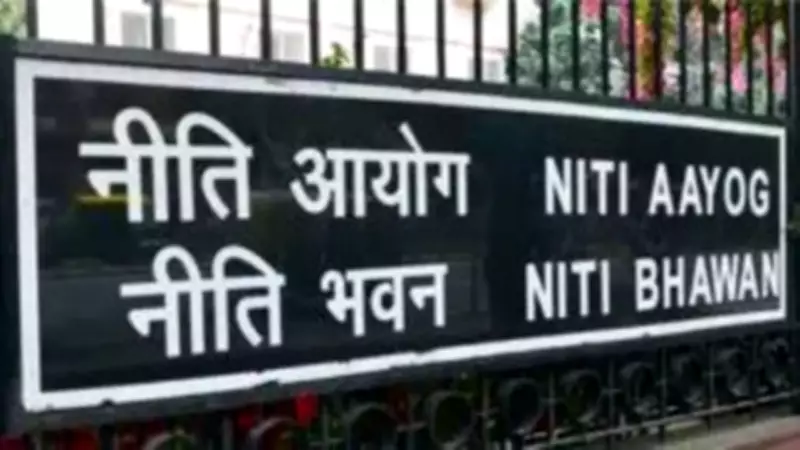
In a significant move aimed at easing bureaucratic hurdles for vehicle owners, a high-level committee on non-financial regulatory reforms, established by NITI Aayog, has recommended the simplification of inter-state vehicle transfers. The proposal suggests replacing the current mandatory No Objection Certificate (NOC) requirement with an auto-generated clearance system.
Current Process and Proposed Changes
At present, transferring a vehicle from one state to another involves a cumbersome process where owners must obtain an NOC from the Regional Transport Office (RTO) of the state where the vehicle is registered. This certificate is essential to confirm that there are no pending dues, such as road taxes, challans, or other fees, before submission to the RTO of the new state.
Vehicle owners are required to provide registration certificates, fitness certificates, and tax receipts as part of this procedure. Applications for the NOC can be made either online through the Parivahan portal or by visiting the RTO in person. Only after the NOC is submitted can the new registration process commence.

Leveraging Technology for Efficiency
The committee emphasized that vehicle-related documents are securely stored in the centralized VAHAN database, which is accessible online. This digital infrastructure makes the physical NOC redundant, as the necessary information can be verified automatically.
The proposed auto-generated clearance system would utilize this database to streamline transfers, eliminating the need for hard copies and reducing paperwork. This reform is expected to bring substantial relief to individuals relocating across states, saving time and effort.
Ministry's Response and Future Steps
According to sources, the road transport ministry is actively working on this proposal. If implemented, it could mark a major step forward in regulatory simplification, aligning with broader efforts to enhance ease of living and governance in India.
The move highlights a shift towards digital solutions in public services, potentially setting a precedent for other bureaucratic processes. Stakeholders, including vehicle owners and transport authorities, are likely to benefit from increased efficiency and reduced administrative burdens.