Thiruvananthapuram's Attukal Area to Receive Major Sewage Infrastructure Upgrade
In a significant development for urban infrastructure, authorities in Thiruvananthapuram have announced plans to commence work on a long-awaited underground sewage pipeline network in the densely populated Attukal area. This ambitious project aims to address persistent sanitation and public health concerns that have plagued the locality for years.
Addressing Critical Sanitation Gaps in a Festival Hub
Attukal holds particular significance as a major congregation point during the annual Attukal Pongala festival, which attracts hundreds of thousands of devotees each year. Despite this religious importance and the area's dense residential population, Attukal has historically relied primarily on septic tank systems, creating substantial environmental and public health challenges.
The current situation presents multiple problems:

- Households depend on septic tanks that frequently overflow or develop leaks
- Once filled, these tanks require manual cleaning by municipal workers
- Untreated sewage often enters the nearby Killiyar River, contaminating water bodies
- During peak festival periods, temporary sanitation arrangements strain existing facilities
Project Details and Implementation Timeline
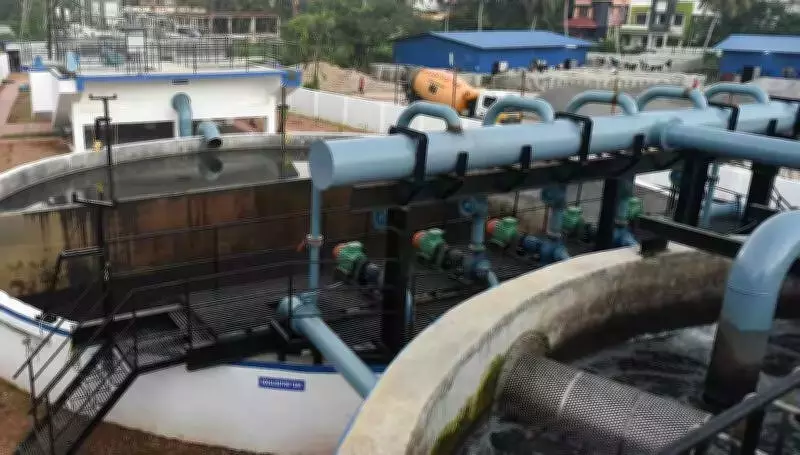
The first phase of this crucial infrastructure project involves laying approximately 18 kilometers of sewage pipelines across the Attukal and Kalady areas, covering key residential pockets. Sewage collected through this network will be directed to storage wells at Kalladimukku before being channeled to the sewage treatment plant at Muttathara for proper processing.
Financial allocation for this initial phase stands at Rs 37 crore, with implementation handled by the Kerala Water Authority's sewage wing in collaboration with the city corporation under the Urban Infrastructure Development Fund. A Mumbai-based private firm has been awarded the construction contract following a competitive bidding process.
Officials have confirmed that work will commence after the conclusion of the Attukal Pongala festival on March 3, 2024, to avoid disrupting the significant religious gathering that transforms the area's population dynamics each year.
Historical Context and Project Delays
This sewage infrastructure project was initially proposed in 2020 and received detailed project report approval in 2023. However, implementation faced multiple hurdles along the way. According to R Unnikrishnan, former councillor of Attukal, the project experienced significant delays when no contractors came forward during the initial bidding phase. Later complications arose when a selected contractor failed to furnish the required guarantee amount, leading to disqualification and necessitating a complete re-tender process before the current contractor was finalized.
Expected Benefits and Environmental Impact
The underground sewage pipeline network promises substantial improvements for Attukal's residents and the broader environment:
- Reduced dependence on outdated septic tank systems
- Prevention of untreated sewage flowing into open drains, soil, and nearby water bodies
- Enhanced public health outcomes through improved sanitation
- Better management of waste during festival periods when population surges dramatically
- Long-term environmental protection for the Killiyar River and surrounding ecosystems
This infrastructure development represents a critical step toward bridging a long-standing gap in Thiruvananthapuram's urban services, particularly in areas that experience extreme population fluctuations during religious and cultural events. The project's successful implementation could serve as a model for similar infrastructure upgrades in other densely populated urban areas across Kerala facing comparable sanitation challenges.