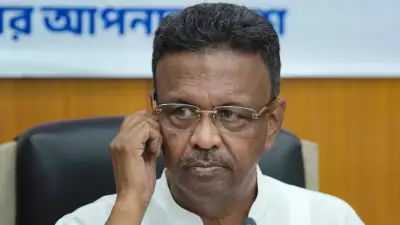
Ashish Verma Outlines Vision for Bengaluru's Sustainable Mobility
Urban mobility expert Ashish Verma has issued a compelling call to action for Bengaluru, stressing that the city's future hinges on embracing public transport, walking, and cycling as core components of its mobility strategy. In a recent statement, Verma highlighted the urgent need for both short-term and long-term plans to address the growing transportation challenges in India's tech capital. Without decisive measures, he warns, the city could face a bleak and congested future, impacting quality of life and economic growth.
The Critical Need for Integrated Mobility Solutions
Verma points out that Bengaluru's current transport infrastructure is under immense strain due to rapid urbanization and increasing vehicle ownership. He advocates for a holistic approach that prioritizes sustainable modes of transport. Public transport systems must be expanded and made more efficient, with investments in metro lines, buses, and last-mile connectivity. Simultaneously, promoting walking and cycling through dedicated lanes and pedestrian-friendly zones is essential to reduce reliance on private vehicles and curb pollution.
According to Verma, short-term plans should focus on immediate improvements, such as enhancing bus services and creating temporary cycling paths. In the long term, he envisions a comprehensive network that integrates all modes of transport, supported by smart technology and policy reforms. Failure to act now could lead to irreversible damage to the city's livability and environment, he cautions, urging stakeholders to collaborate on innovative solutions.

Challenges and Opportunities in Bengaluru's Urban Landscape
Bengaluru, known for its vibrant IT sector and cultural heritage, faces unique mobility challenges, including traffic congestion, air pollution, and inadequate infrastructure. Verma's insights underscore the importance of learning from global best practices while tailoring strategies to local contexts. Key recommendations include:
- Developing multi-modal transport hubs to facilitate seamless transitions between public transport, walking, and cycling.
- Implementing traffic management systems to optimize flow and reduce delays.
- Encouraging community engagement through awareness campaigns and incentives for sustainable travel.
By adopting these measures, Bengaluru can not only improve daily commutes but also foster a healthier, more resilient urban environment. Verma's warning serves as a timely reminder that the city's prosperity depends on forward-thinking mobility planning, with public transport, walking, and cycling at its heart.