MMRC Celebrates International Women's Day with All-Female Metro Station Operations
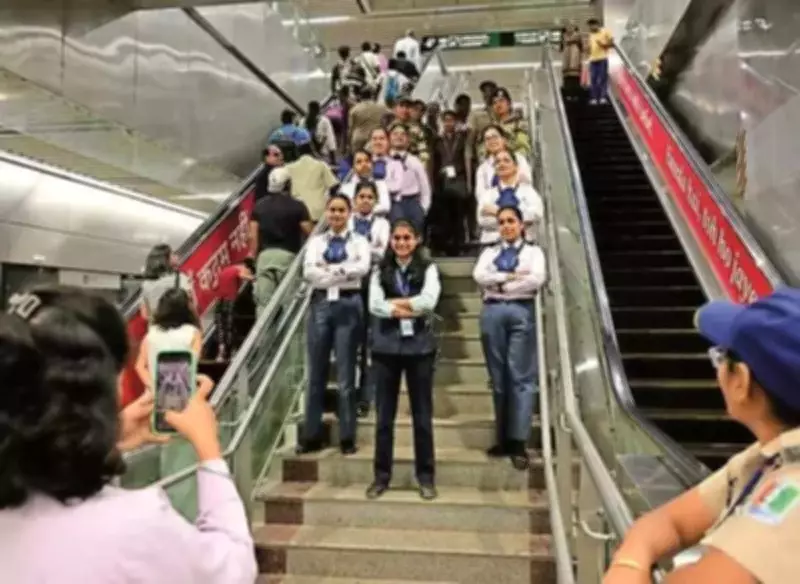
The Mumbai Metro Rail Corporation (MMRC) made a powerful statement on International Women's Day by operating two major stations on the Metro-3 Aqua line exclusively with women staff. This initiative, implemented on Sunday, saw the complete management of Marol Naka and CSMT stations by female employees across all operational roles.
Comprehensive Women-Led Station Management
Across multiple shifts, a total of 85 women professionals handled every aspect of station operations. Their responsibilities encompassed:
- Station control and management
- Ticket sales and fare collection
- Passenger assistance and guidance
- Security monitoring and enforcement
- Maintenance support and technical oversight
- Housekeeping and cleanliness maintenance
The all-women deployment demonstrated seamless functionality while challenging traditional gender roles in public transportation infrastructure.

Breaking Gender Barriers in Metro Operations
This special Women's Day initiative underscored MMRC's commitment to women's empowerment within the public transport sector. By placing women in charge of complete station operations—including roles historically dominated by men—the corporation showcased the growing presence and capability of female professionals in urban transit systems.
MMRC's Ongoing Commitment to Gender Diversity
The Mumbai Metro Rail Corporation revealed significant progress in gender diversity within its workforce. Currently, the Aqua line employs 27 women train operators who safely navigate the metro system through Mumbai's underground and elevated corridors. More broadly, MMRC has integrated 1,388 women across various positions throughout its operations, reflecting a substantial commitment to inclusive employment practices.
This Women's Day demonstration served as both a celebration of female achievement and a practical showcase of women's capabilities in managing complex public transportation systems. The successful operation of two major metro stations by all-female teams highlighted how gender diversity strengthens operational excellence while promoting social progress in urban infrastructure management.