The recent Special Intensive Revision (SIR) of Uttar Pradesh's electoral roll has revealed stark regional disparities in the number of voters removed from the draft list. The exercise, which concluded with the publication of the draft roll, shows that major urban centers like Lucknow and Ghaziabad have been the most impacted by the delisting process.
Urban Centers See Highest Voter Removals
According to data from the revision process, districts in the Lucknow and Ghaziabad zones recorded the highest number of names being struck off the provisional voter list. This significant cleanup in populous urban areas is part of an effort to purify the electoral rolls by removing duplicate, deceased, or otherwise ineligible entries. The process aims to ensure a more accurate and fraud-free voter database ahead of future elections.
In contrast, the revision activity was markedly lower in several other parts of the vast state. The focus on urban centers suggests these areas may have had a higher accumulation of discrepancies requiring correction, possibly due to higher migration rates and population turnover.

Bundelkhand Region Remains Largely Unscathed
The revision data presents a completely different picture for the Bundelkhand region. Districts here witnessed the least number of deletions from the draft electoral roll. Specific districts like Lalitpur, Hamirpur, Mahoba, Jhansi, and Chitrakoot were notably the least affected by the delisting drive.
This minimal impact in Bundelkhand could be attributed to several factors, including a relatively more stable population with less migration compared to the bustling cities, or potentially more meticulous maintenance of voter lists in previous cycles. The disparity highlights the varying demographic and administrative challenges across different regions of Uttar Pradesh.
Implications of the Special Intensive Revision
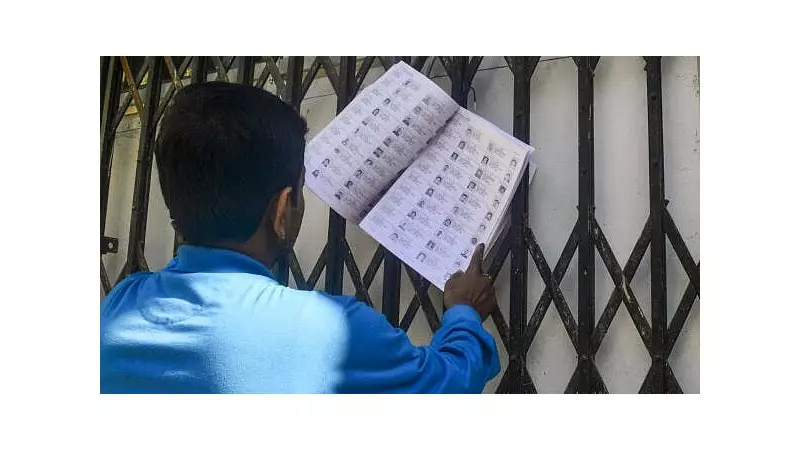
The Special Intensive Revision is a crucial periodic exercise conducted by the Election Commission to update and correct the voter lists. The draft roll published on January 7, 2026, now opens a window for public scrutiny and claims. Voters whose names have been deleted erroneously, or new eligible voters, can now file applications for inclusion or correction.
The current data underscores the importance of such revisions in maintaining the integrity of the democratic process. While urban areas like Lucknow and Ghaziabad undergo a major cleanup, the stability in regions like Bundelkhand offers a contrasting perspective on electoral list management. Authorities will now focus on the next phase, where objections and claims will be processed to finalize the rolls for the upcoming electoral cycles.