Uttar Pradesh Sees Sharp Drop in Voter Gender Ratio After Electoral Revision
Uttar Pradesh's electoral gender ratio has taken a significant hit. The state's Chief Electoral Officer, Navdeep Ranwa, revealed this troubling trend on Saturday. He shared data from the draft electoral roll published on January 6. This roll followed the first phase of the Special Intensive Revision exercise.
The gender ratio dropped from 877 females per 1,000 males to just 824. This decline highlights a major shift in the state's voter demographics.
Massive Deletion of Female Voters
Officials deleted a staggering 1.54 crore female electors from the rolls. This number forms part of a total 2.89 crore deletions. Interestingly, the deletion of female voters exceeded male voter deletions by around 20 lakh.

Navdeep Ranwa explained the current composition of the draft roll. It now contains 12.55 crore electors. Among them, 5.67 crore are women and 6.88 crore are men.
Sahibabad Records Highest Decline
Sahibabad witnessed the most dramatic fall in gender ratio. The numbers plunged by 133 points, from 779 to 646. This drop stands out as the highest recorded in the state.
Officials pointed out a concerning gap. The state's sex ratio, as per the 2011 Census, sits at 912 females per 1,000 males. This figure suggests significant room for improvement in the electoral rolls.
Addressing Duplication Issues
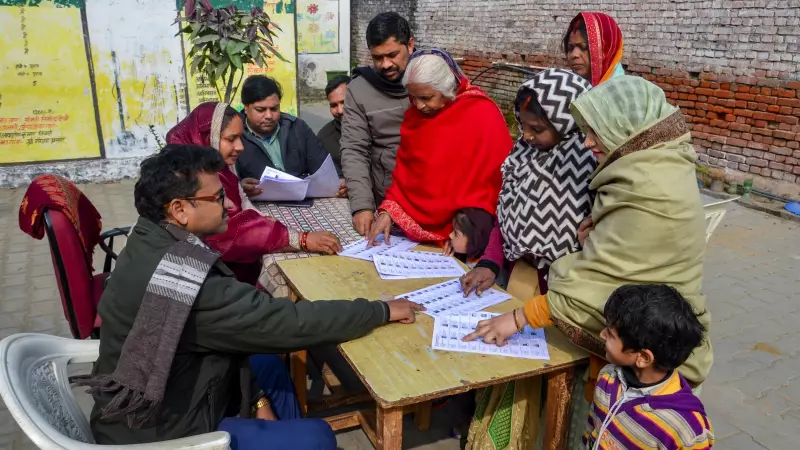
Ranwa attributed the large-scale deletions to widespread duplication. Many women had registered at both their parental and in-laws' addresses. Authorities removed these names from addresses where they did not submit enumeration forms.
The data reveals a sharp reduction in specific cases. In July 2025, 71.18 lakh women electors aged 25 and above listed their father's name. This number has now fallen to 29.04 lakh in the draft roll.
Urban vs Rural Deletion Rates
Urban polling booths experienced a higher deletion rate compared to rural areas. Urban booths saw a 28 percent deletion, while rural booths recorded 15.23 percent.
Before the exercise, urban booths had 4.16 crore electors. After deleting 1.17 crore names, the count dropped to 2.99 crore. Rural booths started with 11.28 crore electors and ended with 9.56 crore.
Logical Discrepancies and Notices
Officials identified 2.22 crore electors with "logical discrepancies" in their enumeration forms. These individuals will receive notices. Importantly, they are separate from the 1.04 crore "unmapped" voters whose details could not be confirmed against the 2003 base rolls.
In total, 3.26 crore electors will get notices. Hearings will take place at 3,793 locations starting January 21. The CEO has assigned 9,154 officers to manage this process.
Understanding Logical Discrepancies
Logical discrepancies include unusual age gaps. For instance, a voter's age might be 15 years or less than their parent's. Alternatively, it could be 50 years or more. Some cases involve an age difference of 40 years or less with a grandparent.
An official explained the mapping process. Enumeration forms asked for details based on the 2003 electoral roll. If a voter's name was missing, they provided parent or grandparent names for linkage.
Scrutiny revealed many 2025 voters not found in the 2003 rolls. They linked themselves to 2003 voters as parents. However, these links often contradicted the parental names listed in their 2025 records.