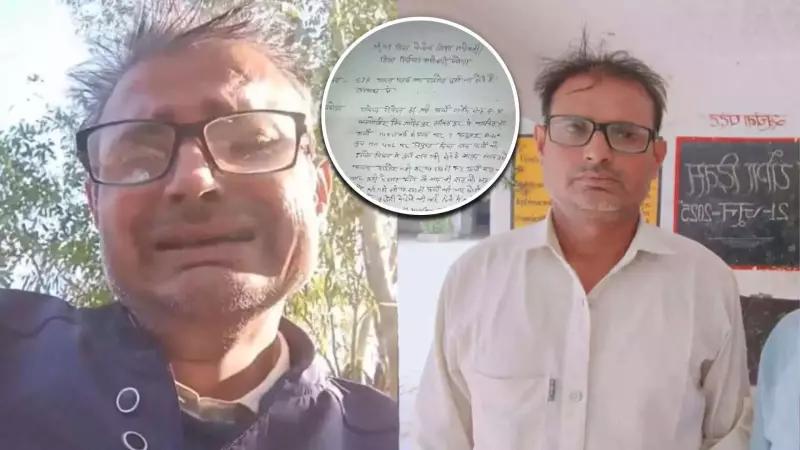
The recent deaths of two Booth Level Officers (BLOs) in Uttar Pradesh have triggered a massive controversy, casting a harsh spotlight on the immense pressure faced by ground-level election staff during the Special Summary Revision (SIR) of voter lists. The families of the deceased squarely blame the relentless SIR workload for the tragedies, while officials maintain there is no connection.
A Tale of Two Tragedies
In Moradabad, a BLO named Sarvesh Singh died by suicide. His family reports he was suffering from severe sleeplessness and digital stress, compounded by a deep-seated fear of losing his job due to the demanding SIR targets. Separately, in Bijnor, 56-year-old Shobha Rani succumbed to a heart attack. Her loved ones state she had been working extremely late nights in a frantic attempt to complete her assigned revision targets. These incidents, occurring within a short span, have become a flashpoint for growing anger.
A Wider Pattern of Crisis?
These two cases are not isolated. Reports indicate that within a matter of days, seven BLOs in the state have lost their lives under similar circumstances, with causes ranging from suicides to heart attacks and brain haemorrhages. This alarming pattern has led to explosive questions about the working conditions for frontline election officials. Critics are asking whether the SIR process, intended to strengthen democracy, is morphing into a silent administrative and humanitarian crisis. The silence from the Uttar Pradesh Chief Electoral Officer's office is further fueling public outrage and demands for accountability.

The Official Denial and Mounting Pressure
Despite the families' direct accusations linking the deaths to SIR-related stress, state election officials have publicly denied any link between the workload and the tragic outcomes. This denial has done little to quell the storm. Instead, it has intensified calls for a thorough investigation into the working protocols and pressure mechanisms imposed on BLOs. The core question being raised is: How many more BLOs must break before the system acknowledges the problem and initiates meaningful accountability? The situation underscores a critical need to address the mental health and extreme work stress faced by public servants in high-pressure roles.