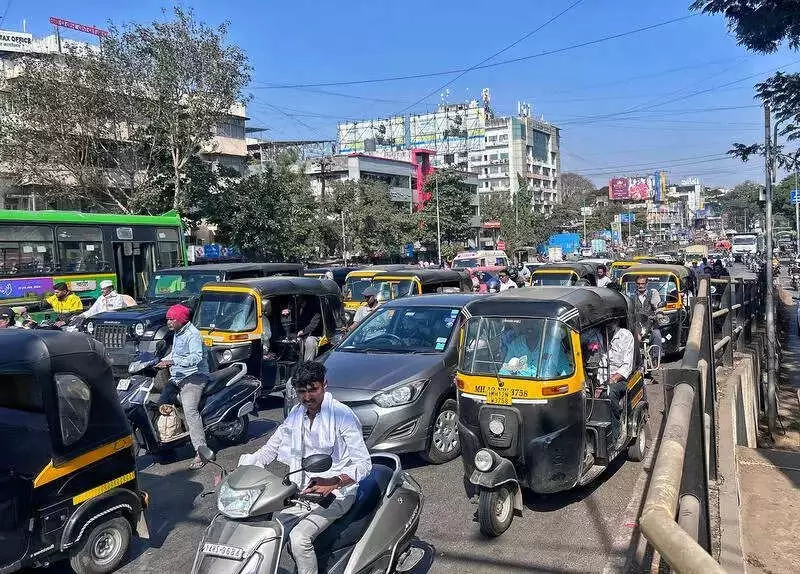
With the crucial civic body elections in Pune scheduled for January 15, a wave of citizen-led activism is sweeping the city. Tired of unfulfilled promises, residents' groups across various wards are proactively releasing detailed manifestos. These documents outline their non-negotiable demands, aiming to ensure that newly elected corporators understand the ground realities and prioritize basic civic amenities over grand development projects.
Core Demands Echo Across the City
The collective voice of Pune's citizens is clear and consistent. For years, neighborhoods have listed the same fundamental issues, with little to no improvement on the ground. The central demands resonating in every corner include ensuring an adequate and reliable water supply to break free from expensive tanker dependency, creating walkable and pothole-free roads, safeguarding the city's dwindling green cover, and implementing efficient waste collection and management systems. Citizens emphasize the need for an all-encompassing, sustainable vision from their representatives when planning for wards and the larger city.
The upcoming polls are particularly significant as the last civic elections were held in 2017, and Pune has been without a standing committee or corporators for the past three years. Voters state their primary criterion for choosing a representative will be accountability and efficiency, with the expectation that they will also hold the Pune Municipal Corporation (PMC) administration to the same rigorous standards.

Ward-Wise Breakdown of Key Issues
The manifestos delve into specific, hyper-local problems plaguing individual wards, moving beyond generic promises.
Bibvewadi (12 Corporators): This southern neighbourhood, popular for its connectivity, grapples with severe traffic congestion on Satara Road and internal roads. Residents like architect Atharva Bendbhar highlight deplorable footpaths, mismatched stormwater drains causing hazards for two-wheelers, and illegal parking. The area also suffers from frequent bursts in drainage and water pipelines over 50 years old in Ward 26, and the rapid, concerning conversion of residential spaces into commercial warehouses. Key areas include Shankar Maharaj Math, Mukundnagar, Salisbury Park, Ghorpade Peth, and Guruwar Peth.
Dhole Patil Road (8 Corporators): This area presents a stark contrast between upmarket complexes in Koregaon Park and slum pockets along Tadiwala Road, yet both share missing basic amenities. Issues range from inadequate drainage and encroachments to poor waste management and unplanned growth. Residents like retired banker Gautam Idnani and activist Rohan Desai call for multi-level parking, faster completion of the Sadhu Vaswani Bridge, and urgent action to stop deforestation and the rampant conversion of residential buildings into commercial spaces, which is overburdening civic infrastructure.
Wanowrie-Ramtekdi (12 Corporators): Once known for the Maratha Camp, this area is now a bustling residential hub. It faces major traffic bottlenecks at Fatimanagar Chowk and in the Mohammadwadi-Undri region. Newly merged areas like Undri suffer from acute water scarcity. NIBM Road resident Nisha Monteiro points to dangerously low hoardings, speeding vehicles, illegal activities, and a lack of police patrolling as critical issues that need conclusive action, not just promises.
Bhavani Peth (12 Corporators): This central ward, housing major hospitals, markets, and schools, deals with a perennial traffic crisis due to a large floating population. Encroachments and illegal vendors narrow roads further. Former GST officer Rekha Joshi stresses the need for permanent removal of encroachments and better waste management, especially around the vegetable market. The ward also faces severe neglect in civic schools and the Sonawane Maternity Hospital, which lacks essential staff.

A Call for Action, Not Promises
The citizen manifestos represent a significant shift towards issue-based voting and direct accountability. The message from Pune's electorate is unambiguous: they are fatigued by years of neglect and demand concrete, measurable action on fundamental civic issues. The onus is now on the candidates to respond with clear, actionable plans. The January 15 vote will be a litmus test for whether Pune's political representatives are ready to move beyond rhetoric and address the city's crumbling infrastructure and core service delivery failures.