In a significant shift from the usual political rhetoric, citizens across various neighbourhoods in Pune are taking charge of the narrative for the upcoming municipal corporation elections. Tired of unfulfilled promises, residents' groups are organizing public forums, drafting detailed charters, and planning candidate debates to ensure the polls focus on pressing local issues rather than divisive politics.
PMC Wards: Nagrik Sabhas Put Aspirants on the Spot
In Bavdhan, which has been without local corporator representation in the Pune Municipal Corporation (PMC) for three years, the Bavdhan Citizens Forum (BCF) has taken a proactive stance. The forum organized Nagrik Sabhas on November 21 and November 30, inviting aspiring candidates to present their vision directly to the community.
Dushyant Bhatia, a director of BCF, explained the two-fold purpose. "We wanted to lay down our demands and also hear the candidates' plans for Bavdhan. It's crucial that their vision aligns with what residents actually want," he said. The forum conducted a survey to compile a memorandum of demands, which includes completing two half-built roads, establishing a power substation, and ensuring consistent water supply.

Santosh Deshmukh, an IT professional and entrepreneur who attended both Sabhas, believes this model leads to more informed voting. "Candidates have to justify seeking our vote and face the problems we present. BCF has unified residents in a way that reminds politicians they cannot take us for granted," Deshmukh stated.
PCMC Limits: Five-Year Plans and United Fronts
Across the city in PCMC limits, the approach is equally structured. The Vishal Nagar Residents Association (VNRA) has drafted a unique five-year, timeline-based manifesto for their future representative. The manifesto sets clear annual targets, with top priorities being a dedicated police chowkey and relief from the exploitative 'tanker mafia' that controls water supply in summer.
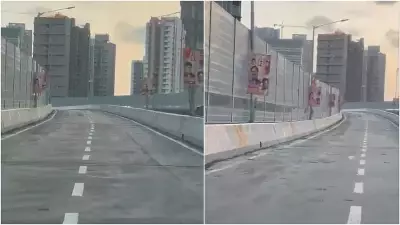
Resident Ganesh Bomble highlighted the persistent pattern of candidates disappearing after elections. "This time, we present our agenda upfront. The elected representative must pursue not only civic issues but also matters related to state and central agencies through MLAs and MPs," Bomble asserted. Association member Anil Gawde pointed out that jurisdictional overlaps between PCMC and PMC areas exacerbate problems like an incomplete flyover causing daily congestion.
Meanwhile, in the fast-growing areas of Ravet, Kiwale, and Mamurdi, housing societies are rallying under a federation to present a united front. Federation chairperson Prajakta Rudrawar noted that despite rapid construction and substantial tax payments, basic amenities like a garden for seniors and a public library are missing. "If no suitable candidate takes up our demands, we are considering fielding our own representative," she warned. Secretary Amol Kalekar emphasized that any aspirant must first share their agenda for scrutiny.
Sahakarnagar's Debate Model: A Test of Vision
Perhaps the most ambitious plan comes from the Sahakarnagar Citizens' Forum (SCF). They intend to host a freewheeling debate among final candidates, similar to formats seen in US presidential races, once party tickets are distributed.
Founder-member Amit Abhyankar said the debate will reveal how well candidates understand both local ward issues and broader city-wide concerns like health and education. "How they intend to address these issues will show their priorities and how well they know the ward," Abhyankar added.
Fellow founder Indraneel Sadgale pointed out a common knowledge gap. "Many citizens are unsure of a corporator's exact role. We want to see if aspiring candidates themselves understand they are meant to service the whole city through policies, not just their ward," he explained. The forum plans to prepare a questionnaire for candidates beforehand and is also considering releasing a citizens' manifesto.

Political analysts observe that such organized citizen movements can significantly sway election outcomes. Suhas Patwardhan, Chairman of the Maharashtra State Cooperative Federation, noted that a united front from Pune's large housing townships can impact who wins or loses. Political analyst Prakash Pawar recalled that civic issues dominated elections before 1991's economic growth shifted focus. He believes civic groups can influence results today, but only if they maintain unity and persist in their demands beyond the campaign season.