In a significant development following judicial intervention, the Election Commission of India has taken a decisive step towards greater transparency in the electoral process. The constitutional body has officially uploaded and made publicly accessible on its official website the comprehensive names of individuals featured on the so-called "logical discrepancies" list. This action comes as a direct and prompt compliance with a specific directive issued by the Supreme Court of India.
Supreme Court Mandate Drives Immediate Action
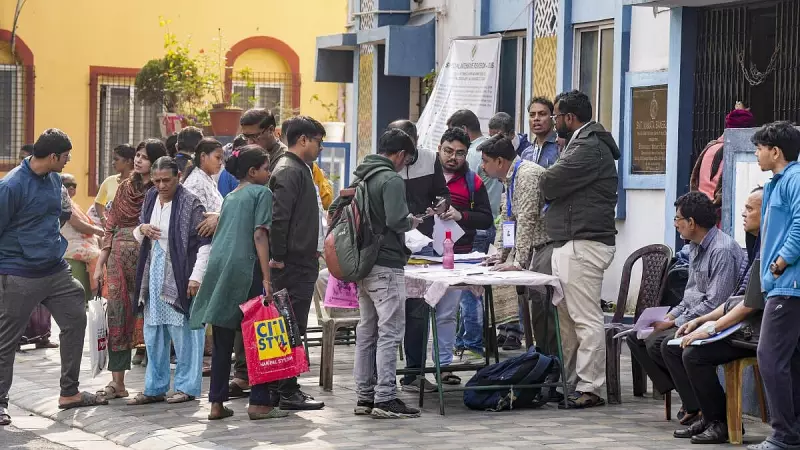
The apex court, in a hearing held on January 19, 2026, issued clear instructions to the Election Commission. The bench directed the poll body to ensure the public display of the names contained within the logical discrepancies list. This display was mandated to occur at multiple grassroots-level administrative offices across the state of West Bengal. The specified locations included all gram panchayat bhavans, block offices at the taluka level, and respective ward offices. The Supreme Court set a firm deadline for this physical display, ordering its completion by the upcoming Saturday.
Understanding the Logical Discrepancies List
The list in question is a crucial component of the ongoing special intensive revision of electoral rolls. It identifies entries where potential inconsistencies or illogical data points have been flagged during the verification process. These discrepancies could involve various anomalies, such as improbable age entries, duplicate registrations, or mismatches in demographic details that require further scrutiny and correction by the concerned electoral officers and the citizens themselves.

By making this list available online, the Election Commission has significantly widened public access beyond the physical notice boards. This digital publication allows for easier verification by citizens, political parties, and civil society organizations, fostering a more inclusive and participatory revision process. It underscores the Commission's commitment to clean and accurate voter lists, which form the bedrock of free and fair elections.
The move is seen as a major step towards enhancing electoral integrity and building public trust. It empowers voters to check their own status and initiate corrections if their name appears erroneously on the list. The Commission's adherence to the court's timeline highlights its operational responsiveness and respect for judicial authority in matters of electoral governance.