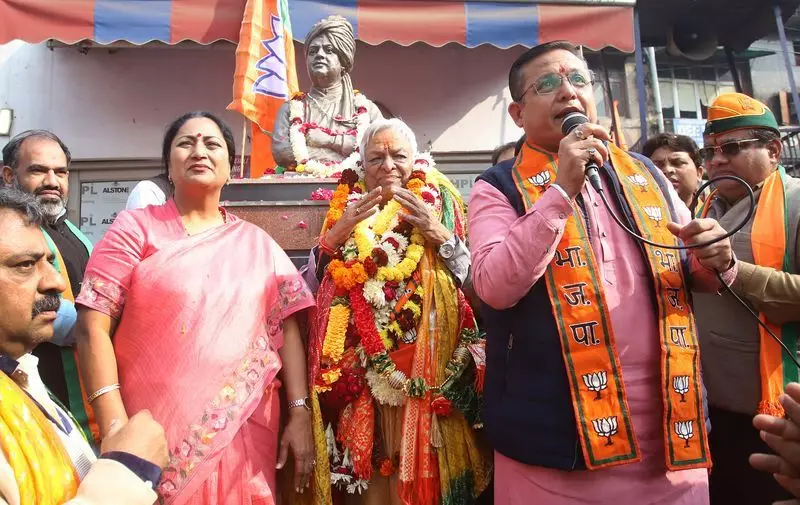
The Bharatiya Janata Party (BJP) has emerged as the leading party in the recent by-elections for the Municipal Corporation of Delhi (MCD), securing two out of the three contested wards. The Aam Aadmi Party (AAP) and the Congress managed to open their accounts by winning one seat each, marking a significant political development in the national capital.
Detailed Breakdown of the Ward Results
The bypolls were conducted for three vacant wards: Keshopur, Rohini-C, and Shalimar Bagh (North). The BJP clinched victories in the Rohini-C and Shalimar Bagh (North) constituencies. In a closely watched contest, the AAP candidate triumphed in the Keshopur ward. The Congress candidate's win in the Rohini-C ward, where the BJP also secured a seat, indicates a split in the electoral outcome for that particular zone, highlighting a competitive political landscape.
These elections were necessitated following the resignations of the previously elected councillors. The results are being closely analyzed as a barometer of public opinion ahead of future state and national elections, especially after the AAP's sweeping victory in the 2022 MCD polls.

Political Reactions and Strategic Implications
Political analysts suggest that the results send a mixed signal. While the BJP has managed to retain its core support base and add to its tally, the fact that both the AAP and Congress have secured seats prevents any single party from claiming an overwhelming narrative. The performance is particularly crucial for the Congress, which has been striving to regain relevance in Delhi politics.
The bypoll outcomes are expected to influence the strategies of all three major parties. They will likely reassess their grassroots outreach, candidate selection, and issue-based campaigns. The focus on local civic issues like sanitation, water, and infrastructure was evident during the campaigning period, and the results reflect how these resonated with the electorate in different wards.
What This Means for Delhi's Civic Governance
With these results, the composition of the MCD House sees a minor but notable shift. The BJP strengthens its position, while the AAP and Congress demonstrate their continued presence in the municipal arena. This could lead to more vigorous debates and scrutiny of proposals in the House, as the ruling party will face a slightly more bolstered opposition.
The voter turnout and the final verdict underscore the importance of hyper-local issues in municipal elections. Despite larger national political narratives, Delhi's residents have voted based on the performance and promises related to civic amenities. All parties are now expected to double down on their governance delivery and public engagement in the run-up to the next full-fledged municipal elections.
In conclusion, the Delhi MCD bypolls have provided a fascinating snapshot of the city's political dynamics. The BJP's two wins affirm its organizational strength, while the single victories for the AAP and Congress ensure a multi-cornered contest remains the defining feature of Delhi's politics. The results set the stage for an intensified political contest in the capital, with each party claiming a slice of the electoral pie.