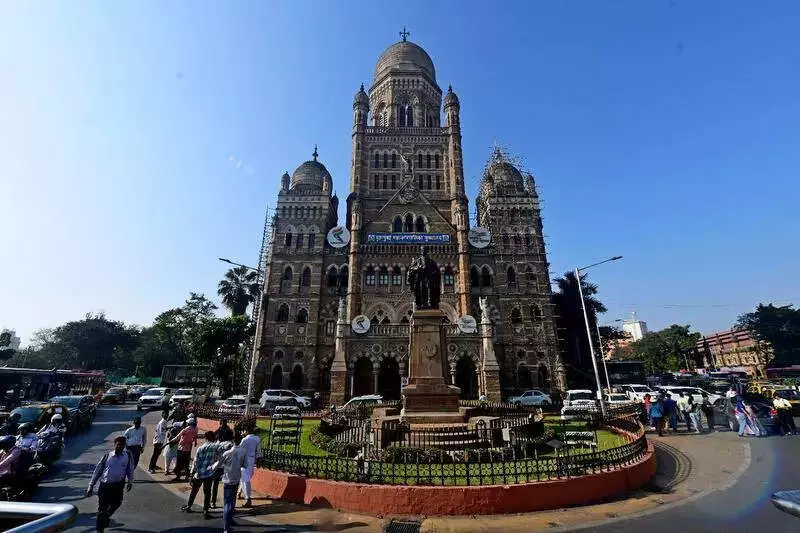
In a significant political development ahead of the crucial Brihanmumbai Municipal Corporation (BMC) elections, the Indian National Congress and Prakash Ambedkar-led Vanchit Bahujan Aghadi (VBA) have officially announced an electoral alliance. The two parties declared on Sunday that the VBA will contest 62 out of the 227 seats in the upcoming civic polls as part of the Congress-led front.
Seat-Sharing Tussle with NCP (SP) Continues
While the pact with VBA is sealed, the Congress party continued its negotiations with the Nationalist Congress Party (Sharadchandra Pawar) until late Sunday. Reports indicate that the Congress is keen to contest around 150 seats in the Mumbai civic body, which would leave only about 15 seats for NCP (SP) and other smaller allies. However, sources within the Congress suggest the party might slightly reduce its demand to accommodate its key partner.
With Tuesday marking the last day for filing nominations, the Congress aimed to conclude all discussions by Sunday. This would have allowed its shortlisted candidates to file their papers promptly. Despite the urgency, the party and NCP (SP) remained locked in disagreements over the final seat-sharing numbers.

A Strategic Alliance for Voter Consolidation
The Congress's strategy behind this alliance is clear: to consolidate the crucial Muslim and Dalit voter base in Mumbai. The party believes that aligning with the VBA will be more beneficial in the city than partnering with other groups, which explains the substantial allocation of 62 seats to Ambedkar's party.
This alliance marks a breakthrough after nearly two decades of failed attempts. The Congress has previously tried to forge partnerships with the VBA for both parliamentary and state assembly elections. Those efforts did not materialize, with the Congress citing Ambedkar's "unrealistic" demands as the reason.
In the recent state assembly elections, the VBA contested independently. While it did not win any seats, it demonstrated a notable presence in several areas. In Mumbai, specifically in assembly segments like Chembur, Mankhurd, Mulund, and Anushakti Nagar, its candidates secured a substantial number of votes.
Looking Beyond Mumbai: A Statewide Blueprint?
Following the finalization of the Mumbai agreement, the Congress expressed its expectation that local leaders will work out similar seat-sharing arrangements with the VBA for civic elections in the remaining 28 cities across Maharashtra. This suggests the Mumbai pact could serve as a template for broader cooperation in the state.
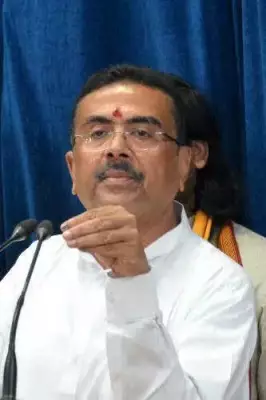
The formal announcement was made by Maharashtra Congress president Harshvardhan Sapkal and VBA state vice-president Dhairyavardhan Pundkar. Sapkal highlighted the historical context, recalling that the two parties had allied in the 1998-99 elections. He framed the current partnership as "the start of a new chapter, which is not a numbers game but a meeting of ideas."
Pundkar emphasized that the alliance was formed to counter the "divisive and destructive politics of the BJP." He credited Sapkal for taking the first positive step towards this collaboration and maintaining a constructive approach throughout the negotiations.