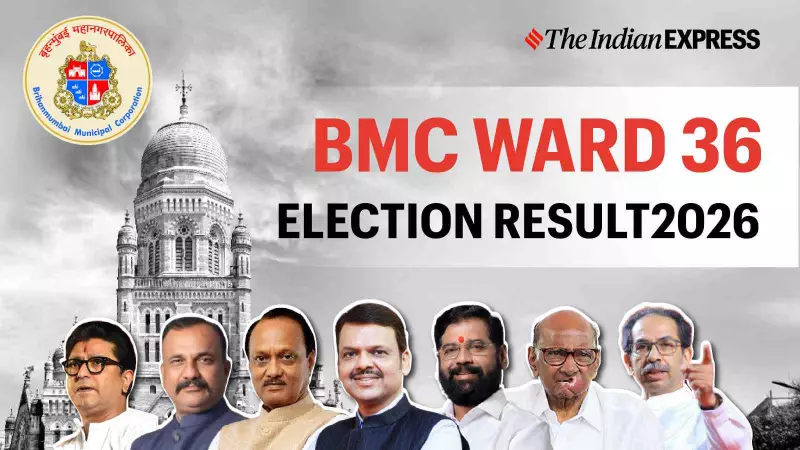
BMC Ward 36 Election Results 2026: Complete Analysis of Winner, Votes and Margin
Voters in Mumbai's Ward 36 have elected their new corporator as part of the crucial Brihanmumbai Municipal Corporation elections. The results determine civic leadership for India's financial capital for the next five years. This ward consistently attracts significant political attention due to its strategic importance within Mumbai's municipal framework.
Key Highlights from Ward 36 Election 2026
The counting process concluded with clear trends emerging across polling stations. Political observers noted intense competition among major parties vying for control of this significant constituency. Final vote tallies revealed decisive patterns that will influence Mumbai's civic governance structure.
Election officials worked through the night to verify and announce results. The electoral process followed established protocols with representatives from all participating parties monitoring the counting at designated centers. Voter turnout reflected strong civic engagement in this crucial municipal election.

Historical Context: Ward 36 Election Results 2017
Understanding current results requires examining previous electoral performance. In the 2017 Brihanmumbai Municipal Corporation elections, Ward 36 witnessed a closely contested battle with clear outcomes.
Daksha Jagdish Patel of the Bhartiya Janata Party emerged victorious with 11,692 votes. This represented a substantial mandate from ward residents. The winning candidate established a clear lead over political rivals.
Swati Sunil Gujar from Shivsena secured second position with 10,052 votes. The margin between first and second place stood at 1,640 votes, indicating competitive but decisive electoral dynamics.
Complete 2017 Election Results Breakdown
The electoral landscape in 2017 featured multiple candidates representing diverse political interests:
- Daksha Jagdish Patel (Bhartiya Janata Party): 11,692 votes
- Swati Sunil Gujar (Shivsena): 10,052 votes
- Dixita Jayesh Shah (Indian National Congress): 3,009 votes
- Geeta Maheshkumar Farkase (Maharashtra Navnirman Sena): 2,829 votes
- NOTA (None of the Above): 483 votes
- Bhagyashree Prabhakar Dhamanskar (Independent): 444 votes
- Shobha Bhalchandra Alhat (Independent): 183 votes
These results established clear voting patterns that political analysts studied ahead of the 2026 elections. The distribution revealed party strengths and voter preferences within the ward's demographic composition.
Significance of Past Voting Trends
The 2017 results provided crucial insights for political strategists planning 2026 campaigns. Voting patterns indicated specific areas of strength for different parties. NOTA votes represented a measurable segment of voter sentiment worth noting.
Independent candidates collectively garnered attention despite securing smaller vote shares. Their presence demonstrated the ward's openness to candidates beyond established political structures. Every vote contributed to the overall electoral narrative.
Political parties analyzed these results extensively to formulate their 2026 campaign strategies. The margin between top contenders suggested potential for shifts in voter allegiance. Demographic changes since 2017 added another layer of complexity to electoral predictions.
2026 Election Counting Process and Updates
The 2026 counting followed established procedures with enhanced transparency measures. Election Commission officials implemented strict protocols to ensure accurate tabulation. Representatives from participating parties observed proceedings at every stage.
Live updates flowed from counting centers as officials processed ballots methodically. Media outlets provided continuous coverage of emerging trends. Social media platforms buzzed with real-time reactions from engaged citizens.
Final results incorporated votes from all polling stations within Ward 36. The declaration followed complete verification and cross-checking procedures. Official announcements came after thorough validation of all counted votes.

This comprehensive electoral exercise demonstrated Mumbai's robust democratic processes. Voter participation reflected the significance residents attach to municipal governance. The results will shape local development initiatives and civic services for the coming term.