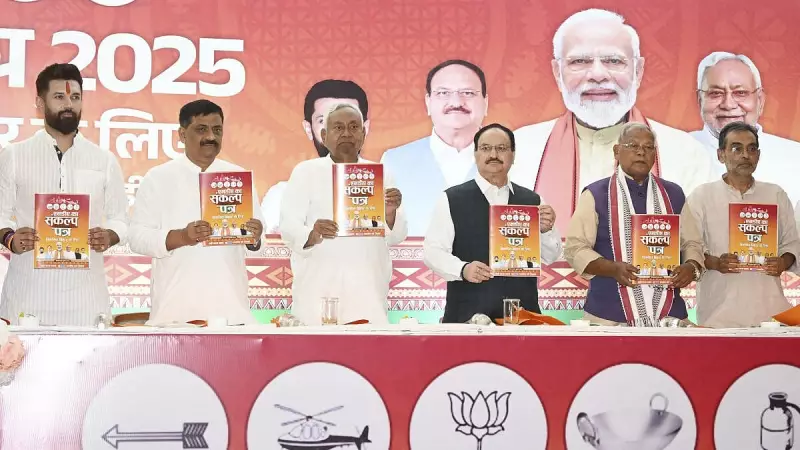
Bihar's Political Landscape Shifts as Traditional Manifestos Lose Appeal
In an unexpected development for the Bihar Assembly Elections 2025, political parties are acknowledging that traditional election manifestos no longer capture voter attention as they once did. The National Democratic Alliance (NDA) has defended what many observers called a 'quick' release of their election document, pointing to their leaders' packed campaign schedules and strong confidence in public support.
NDA's Strategic Timing Explained
NDA functionaries have provided clear reasoning behind their manifesto release timing. Party representatives emphasized that their leaders were fully engaged in daytime campaign activities across Bihar, leaving limited windows for manifesto-related events. This practical consideration shaped their approach to unveiling the coalition's development agenda for the state.
More significantly, NDA officials expressed strong confidence in the electorate's existing belief in the coalition's ability to deliver effective governance and sustainable development. This voter trust, built over previous terms, has apparently reduced the perceived urgency of early manifesto releases that characterized earlier election cycles in Bihar.
Changing Voter Engagement Patterns
The political landscape in Bihar appears to be undergoing a significant transformation. Traditional manifesto releases, once considered cornerstone events in election campaigns, are losing their impact on voter decision-making. Political analysts suggest that voters are increasingly focusing on track records and tangible development work rather than campaign promises documented in lengthy manifestos.
This shift reflects broader changes in how Bihar's electorate engages with political parties and their platforms. With information more readily available through multiple channels, voters seem to be placing greater emphasis on demonstrated performance rather than projected plans.
The NDA's approach to the Bihar Assembly Elections 2025 manifesto indicates their reading of this changing dynamic. By prioritizing direct voter contact through campaign engagements and relying on their established governance record, the coalition appears to be adapting to new political realities in one of India's most crucial states.
As the election campaign progresses, it remains to be seen whether other political parties will follow similar strategies or whether traditional manifesto releases will regain their former significance in Bihar's political discourse.