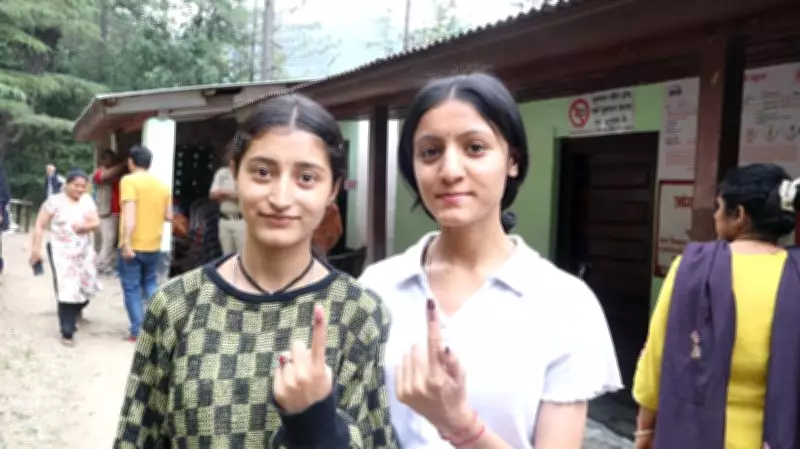
Shimla, the capital city of Himachal Pradesh, recorded an impressive 81 per cent voter turnout in the recent elections, with first-time voters stepping out in large numbers, expressing hope for an infrastructure upgrade in the region. The high voter participation reflects the enthusiasm among the electorate, particularly the youth, who are keen to see developmental changes.
High Voter Turnout
The Election Commission reported that the voter turnout in Shimla reached 81 per cent, a significant figure that underscores the civic engagement of the residents. Polling stations across the city saw long queues from early morning, with voters patiently waiting to cast their ballots. The administration had made elaborate arrangements to ensure a smooth voting process, including the deployment of adequate security personnel and the provision of basic amenities at polling booths.
First-Time Voters' Expectations
Among the voters, a large number were first-timers, many of whom were college students and young professionals. They expressed their desire for better infrastructure, including improved roads, public transport, water supply, and sanitation facilities. A first-time voter, Riya Sharma, a student from Shimla, said, 'I am voting for the first time, and I hope the new government will focus on upgrading the city's infrastructure. We need better roads and a reliable public transport system.' Another young voter, Amit Kumar, added, 'The city has grown, but the basic amenities have not kept pace. I hope our votes will bring about a change.'

Issues at the Forefront
The key issues that dominated the elections in Shimla included infrastructure development, traffic congestion, water scarcity, and waste management. The city, a popular tourist destination, has been grappling with these challenges for years. Candidates from various parties promised to address these issues if elected. The high turnout indicates that voters are keen to hold their representatives accountable.
Administrative Preparations
The district administration had made extensive preparations to facilitate a hassle-free voting experience. Special arrangements were made for elderly and disabled voters, including wheelchairs and ramps at polling stations. Voter awareness campaigns were also conducted to educate the public about the voting process and the importance of their vote.
Conclusion
The 81 per cent voter turnout in Shimla is a positive sign for democracy, with first-time voters playing a crucial role. Their hope for an infrastructure upgrade reflects the aspirations of the youth for a better quality of life. It remains to be seen how the elected representatives will respond to these expectations.