Zuma's India Meeting Draws Sharp Criticism
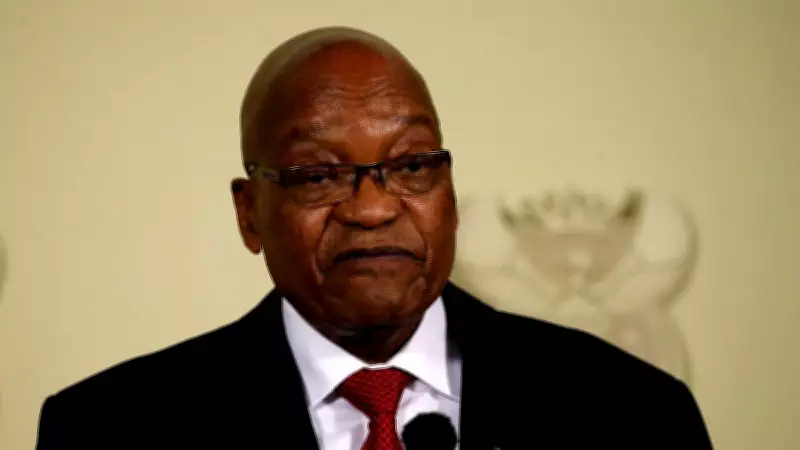
Former South African President Jacob Zuma's meeting with a controversial businessman during his visit to India has ignited a political firestorm back home. Minister in the Presidency Khumbudzo Ntshavheni accused Zuma of undermining South Africa's laws and foreign policy, calling his actions an insult to the public. The meeting, which took place on the sidelines of an unofficial trip, has raised questions about Zuma's adherence to diplomatic protocols and the country's international standing.
Details of the Controversial Encounter
According to reports, Zuma met with the businessman, who is known for his contentious business dealings and legal battles, without prior consultation with South African diplomatic missions in India. The exact location and agenda of the meeting remain undisclosed, but sources indicate that discussions centered on potential investment opportunities. Critics argue that such unilateral engagements bypass established channels and risk sending mixed signals about South Africa's foreign policy direction.
Government Response and Political Fallout
Ntshavheni, speaking at a press briefing, stated: "Former President Zuma's actions are a direct affront to the government's efforts to maintain transparency and accountability in international engagements. He has chosen to prioritize personal interests over the nation's reputation." The ruling African National Congress (ANC) has distanced itself from the meeting, with party spokesperson Mahlengi Bhengu-Motsiri emphasizing that Zuma does not represent the party or the government in any official capacity. Opposition parties have called for a parliamentary inquiry into the matter, demanding explanations from both Zuma and the Department of International Relations and Cooperation.

Broader Implications for South Africa's Foreign Policy
The incident has reignited debates about the role of former presidents in international diplomacy. Legal experts note that while Zuma retains the right to travel and meet individuals as a private citizen, his stature as a former head of state means such meetings can be interpreted as carrying official weight. This controversy comes at a time when South Africa is seeking to bolster its economic ties with India, a key partner in the BRICS bloc. The government has reiterated that all international engagements must align with national interests and follow proper procedures to avoid diplomatic misunderstandings.