Video Sparks Debate Over Real Power in Pakistan During Iran Peace Talks
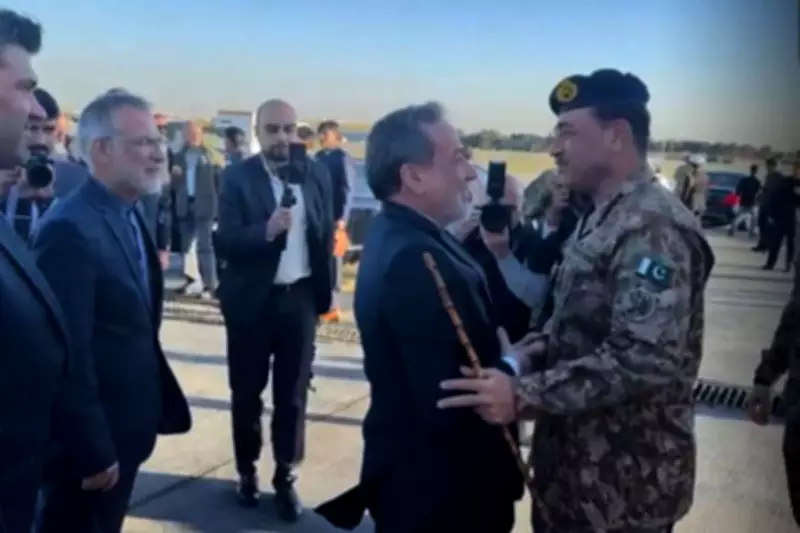
A viral video from Pakistan Army Chief General Asim Munir's recent diplomatic visit to Iran has ignited intense discussions about the true power dynamics within Pakistan's government. The footage, captured during high-level peace talks aimed at addressing regional security and border stability, appears to reveal the influential role of the military in shaping the nation's foreign policy, overshadowing civilian leadership.
Details of the Controversial Footage
The video, which has circulated widely on social media and news platforms, shows General Asim Munir engaging directly with Iranian officials during the peace negotiations. Analysts and observers note that his prominent presence and assertive demeanor in the discussions highlight the Pakistan Army's dominant position in critical diplomatic matters, particularly those involving national security and international relations.
This visit to Iran, focused on fostering peace and cooperation between the two neighboring countries, was officially part of bilateral efforts to enhance stability in the region. However, the video has raised questions about the extent of civilian control over such strategic initiatives, with many pointing to a long-standing pattern where the military exerts significant influence behind the scenes.

Historical Context and Political Implications
Pakistan has a complex history of civil-military relations, where the army has often played a pivotal role in governance, especially in matters of defense and foreign affairs. The timing of this video, emerging during sensitive peace talks, underscores ongoing tensions between elected officials and military leadership. Critics argue that such visibility of army chiefs in diplomatic settings undermines democratic processes and suggests that real decision-making power may lie outside formal political structures.
In response to the video, various political commentators and experts have weighed in, with some defending the army's involvement as necessary for national security, while others call for greater transparency and civilian oversight. The incident has also sparked debates within Pakistan about the need for clearer delineation of roles between the government and military to strengthen democratic institutions.
Regional and International Reactions
The peace talks between Pakistan and Iran, aimed at addressing shared concerns such as border security and economic cooperation, are crucial for regional stability. The video's revelation has drawn attention from international observers, who monitor Pakistan's internal dynamics for implications on global diplomacy and security. Neighboring countries and global powers are likely watching closely, as shifts in Pakistan's power structure could affect alliances and conflict resolution efforts in South Asia and the Middle East.
As discussions continue, the focus remains on how this incident might impact future diplomatic engagements and whether it will lead to any policy changes within Pakistan. The government has yet to issue an official statement addressing the video, leaving room for speculation and further analysis among the public and media.
In summary, the viral video from General Asim Munir's visit to Iran has not only highlighted the Pakistan Army's influential role in peace talks but also reignited debates about who truly holds power in the country. This development adds another layer to the ongoing discourse on civil-military relations in Pakistan, with potential repercussions for both domestic politics and international relations.