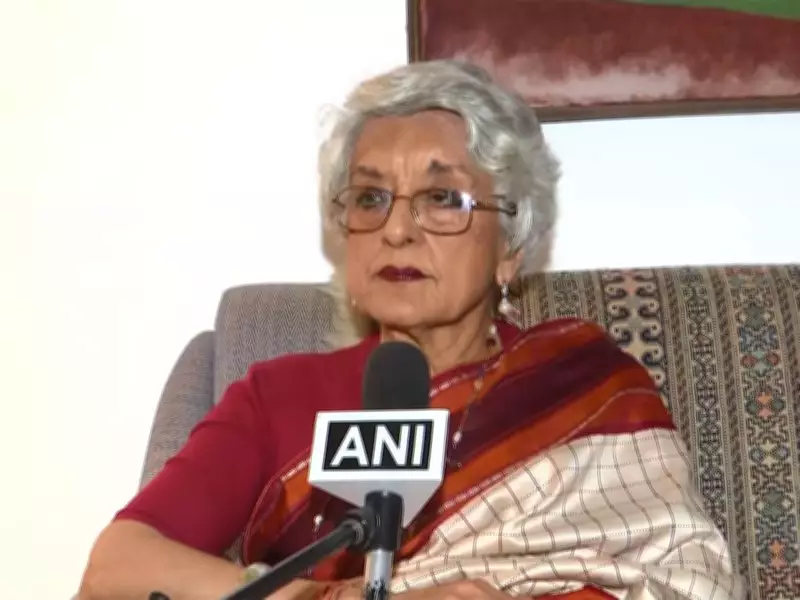
Former Diplomat Veena Sikri Exposes Iran's Disappointment in US Negotiations
In a revealing commentary on recent diplomatic efforts, former diplomat Veena Sikri has shed light on the underlying tensions that led to the collapse of talks between Iran and the United States in Islamabad. According to Sikri, Iranian officials felt profoundly let down by their American counterparts during the negotiations, a sentiment that has significantly strained bilateral relations.
Background of the Islamabad Talks
The Islamabad talks were initiated as a critical diplomatic endeavor aimed at addressing longstanding issues between Iran and the United States. These discussions were part of broader efforts to foster dialogue and resolve conflicts in the region. However, the negotiations ultimately failed to yield any substantive agreements, leaving both parties at an impasse.
Veena Sikri, with her extensive experience in international diplomacy, provided insights into the dynamics at play. She emphasized that the breakdown was not merely a result of policy disagreements but stemmed from a deeper sense of betrayal felt by the Iranian delegation.

Iran's Perception of American Negotiators
Sikri detailed how Iranian negotiators perceived the American team as unreliable and insincere. This perception was rooted in previous interactions and a history of unmet promises, which eroded trust from the outset. The Iranians reportedly entered the talks with cautious optimism, hoping for a constructive dialogue, but quickly became disillusioned by what they viewed as a lack of commitment from the US side.
"The Iranians felt they were being strung along without any real intention to reach a meaningful resolution," Sikri explained. This sentiment was exacerbated by specific incidents during the negotiations where American proposals were seen as backtracking on earlier assurances.
Implications for US-Iran Relations
The failure of the Islamabad talks has far-reaching consequences for US-Iran relations. It underscores the deep-seated mistrust that continues to hinder diplomatic progress between the two nations. Sikri warned that without addressing these underlying issues, future negotiations are likely to face similar obstacles.
Key implications include:
- Increased diplomatic isolation for both countries in regional affairs.
- Potential escalation of tensions, affecting global stability.
- A setback for international efforts to mediate conflicts involving Iran and the US.
Veena Sikri's Analysis and Recommendations
Drawing on her diplomatic expertise, Sikri offered a nuanced analysis of the situation. She pointed out that effective diplomacy requires not only strategic alignment but also a foundation of mutual respect and trust. To rebuild this trust, she suggested several steps:
- Transparent communication from both sides to clarify intentions and commitments.
- Involvement of neutral mediators to facilitate more balanced discussions.
- A focus on confidence-building measures before tackling more contentious issues.
Sikri emphasized that without such efforts, the cycle of disappointment and failed talks is likely to persist, undermining peace and stability in the region.
Conclusion
The insights from former diplomat Veena Sikri highlight a critical aspect of international diplomacy: the human element of trust and perception. The failed Islamabad talks serve as a stark reminder that beyond policies and agreements, the success of negotiations hinges on the relationships between negotiators. As tensions between Iran and the United States continue, addressing these relational dynamics will be essential for any future diplomatic breakthroughs.