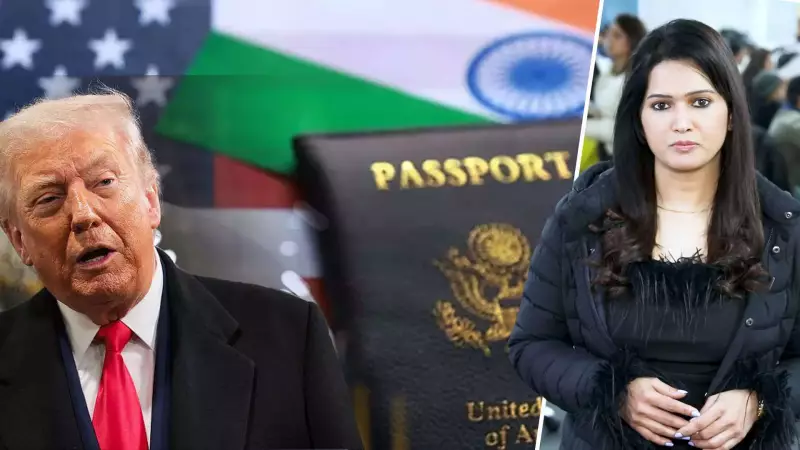
US Visa Crackdown Impacts India's Neighboring Nations
The United States has implemented a significant immigration policy shift. This move directly affects several countries in South Asia. Pakistan, Bangladesh, Afghanistan, and Nepal now face a suspension of immigrant visa processing by American authorities.
Seventy-Five Nations Face Visa Processing Halt
Reports confirm the US decision to pause immigrant visas for seventy-five nations. This action redraws the global map of trust and mobility. Countries perceived as unstable or poorly governed bear the brunt of this policy.
The visa freeze reflects growing scepticism in Washington about certain regions. It signals a tougher stance on immigration from nations with internal challenges. American officials appear to prioritize stability and governance in their visa assessments.
India Remains Unaffected by the US Visa Freeze
Notably, India stands apart from its neighbors in this context. The country continues to enjoy normal immigrant visa processing with the United States. This exemption underscores India's relatively stronger position on the global stage.
Analysts point to several factors behind India's different treatment. Perceptions of better governance, economic stability, and strategic importance likely play roles. The contrast with neighboring nations highlights how national image influences international relations.
Immediate Consequences for Affected Countries
The suspension creates immediate hurdles for citizens of Pakistan, Bangladesh, Afghanistan, and Nepal. Families separated by borders face prolonged uncertainty. Students and professionals planning to move to America encounter unexpected barriers.
This development may strain diplomatic ties between the US and these South Asian nations. It could also impact remittance flows and educational exchanges. The economic and social ramifications will unfold in coming months.
The Trump administration's visa crackdown represents a major policy shift. It demonstrates how immigration decisions increasingly reflect geopolitical assessments. Global mobility now depends more heavily on perceptions of national stability and governance quality.