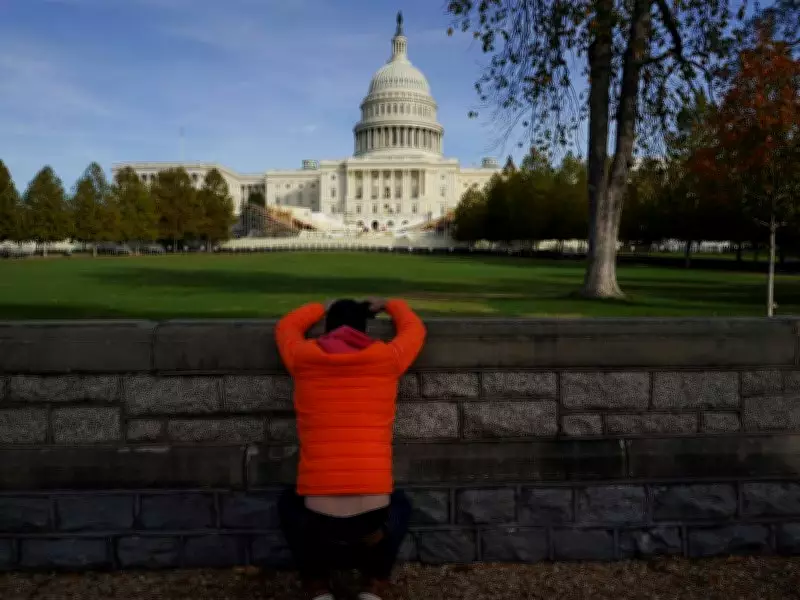
The United States Senate has successfully passed a resolution aimed at limiting President Donald Trump's war powers in relation to Iran, following seven previous failed attempts. This landmark decision represents a significant shift in the balance of power between the executive and legislative branches, as Congress asserts its constitutional authority over military engagements.
Background of the Resolution
The resolution, which has been a point of contention for months, seeks to restrict the President's ability to initiate military action against Iran without explicit approval from Congress. The move comes amid heightened tensions between the United States and Iran, including the assassination of Iranian General Qasem Soleimani in January 2020, which escalated fears of a broader conflict.
Legislative Journey
Prior to this successful passage, seven similar attempts had failed to garner the necessary support in the Senate. The resolution was introduced by Senator Tim Kaine, a Democrat from Virginia, who argued that the President must seek congressional authorization before engaging in hostilities with Iran. The bill gained traction as concerns grew over the potential for an unauthorized war.

The final vote saw a bipartisan majority, with several Republicans joining Democrats to support the measure. The resolution passed with a vote of 55-45, reflecting a growing unease among lawmakers about unchecked executive power in foreign policy.
Implications of the Resolution
The resolution, while symbolic in some respects, sends a strong message to the Trump administration. It underscores Congress's intent to reclaim its war powers, which many believe have been eroded over the years. The measure does not require the President's signature and is considered a concurrent resolution, meaning it expresses the sense of Congress but does not have the force of law. However, it serves as a powerful political statement and could influence future policy decisions.
Reactions and Analysis
Supporters of the resolution hailed it as a necessary check on presidential power. Senator Kaine stated, "This resolution affirms that Congress has the sole power to declare war. We cannot allow any president to take us into war without a vote." Opponents, however, argued that the resolution undermines the President's ability to protect national security and respond quickly to threats.
Political analysts note that the passage of this resolution reflects a broader trend of congressional assertiveness in foreign affairs. It also highlights the deep divisions within the Republican Party, as some members broke ranks to support the measure.
Next Steps
While the resolution has passed the Senate, its future in the House of Representatives remains uncertain. House Speaker Nancy Pelosi has indicated support for similar measures, but the timeline for a vote is unclear. If passed by both chambers, the resolution would represent a unified congressional stance against unilateral military action in Iran.
In the meantime, the Trump administration has criticized the resolution, with White House officials arguing that it sends the wrong message to adversaries. The President has threatened to veto any binding legislation that would restrict his war powers, but since this resolution is non-binding, a veto is not applicable.
Historical Context
The War Powers Resolution of 1973 was enacted to ensure that the President consults with Congress before committing U.S. forces to armed conflict. However, subsequent presidents have often bypassed this requirement, leading to tensions with Congress. This latest resolution is part of an ongoing effort to reassert congressional authority in matters of war and peace.
The Senate's action comes at a critical time, as the U.S. continues to navigate a complex relationship with Iran. The resolution may have implications for ongoing diplomatic efforts and military posture in the Middle East.

Conclusion
The passage of this resolution marks a significant moment in U.S. politics, as Congress pushes back against executive overreach. While its immediate impact may be limited, it sets a precedent for future interactions between the branches of government on matters of national security. The debate over war powers is far from over, but this vote represents a clear statement from the Senate that it intends to play a more active role in decisions about war and peace.