

US Congressman Introduces Resolution to Label 1971 Pakistan Atrocities as Genocide
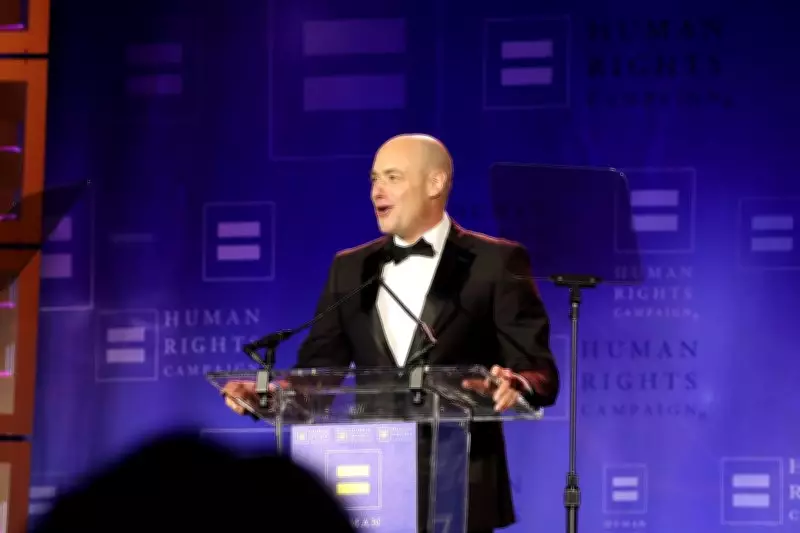
In a significant move, US Congressman Greg Landsman, a Democrat from Ohio, has introduced a resolution in the US House of Representatives. This resolution seeks to formally recognize the atrocities committed by the Pakistani Army and its allies, including Jamaat-e-Islami, against Bengali Hindus on March 25, 1971, as war crimes and genocide. The resolution was moved on Friday and has been referred to the Committee on Foreign Affairs for further review.
Operation Searchlight: The Night of March 25, 1971
The resolution details that on the night of March 25, 1971, the Government of Pakistan imprisoned Sheikh Mujibur Rahman, the leader of the Awami League. Simultaneously, Pakistani military units, in collaboration with radical Islamist groups inspired by Jamaat-e-Islami, initiated a widespread crackdown throughout East Pakistan, code-named Operation Searchlight. This operation involved massacres of civilians, targeting ethnic Bengalis indiscriminately, regardless of their religion or gender.
The Blood Telegram and US Diplomatic Silence
On March 28, 1971, United States Consul General in Dacca, Archer Blood, sent a telegram to Washington titled Selective Genocide. In this communication, he reported that non-Bengali Muslims, with the support of the Pakistani military, were systematically attacking poor people's quarters and murdering Bengalis and Hindus. Subsequently, on April 6, 1971, in what became known as the Blood Telegram, Consul General Blood and 20 members of the Consulate General Dacca objected to the official US government silence on the conflict. Blood stated, But we have chosen not to intervene, even morally, on the grounds that the Awami conflict, in which unfortunately the overworked term genocide is applicable, is purely an internal matter of a sovereign state.

Targeting of Bengali Hindus and Calls for Recognition
The resolution emphasizes that while the Pakistani Army and its Islamist allies committed mass murders against ethnic Bengalis broadly, they specifically targeted the religious minority Hindus for extermination. This targeting involved mass slaughter, gang rape, forced conversion, and forcible expulsion. The resolution urges the House of Representatives to condemn these atrocities and calls on the President of the United States to recognize them as crimes against humanity, war crimes, and genocide. It also notes that entire ethnic or religious groups should not be held responsible for the actions of their members.
Implications and Next Steps
This resolution marks a pivotal effort to bring international attention to the historical events of 1971, which led to the creation of Bangladesh. By seeking formal recognition of these acts as genocide, it aims to uphold justice and accountability for the victims. The referral to the Committee on Foreign Affairs indicates that further legislative action may follow, potentially influencing US foreign policy regarding historical human rights violations.






