US and Iran Diplomacy: Talks Resume in Islamabad This Week
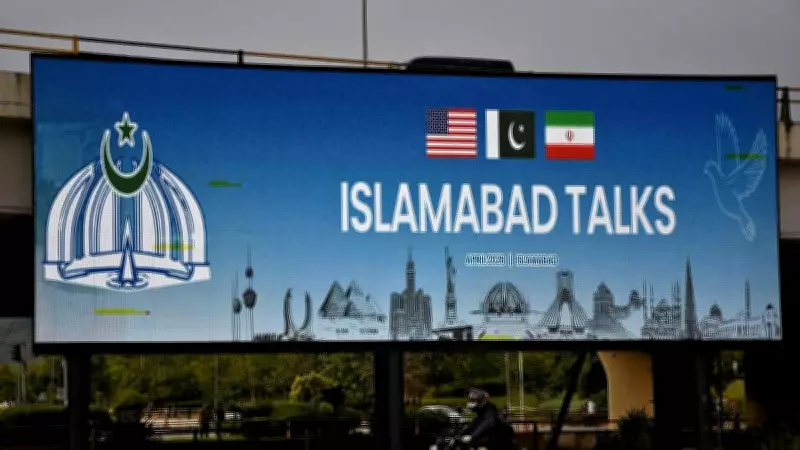
In a significant development for international relations, the United States and Iran are preparing to restart diplomatic negotiations in Islamabad this week. This move signals a renewed effort by both nations to engage in dialogue aimed at addressing pressing global and regional issues.
Background and Context of the Talks
The decision to resume talks comes after a period of heightened tensions and stalled communications between the two countries. Islamabad, the capital of Pakistan, has been chosen as the neutral venue for these discussions, highlighting its role as a diplomatic intermediary in the region.
Previous negotiations between the US and Iran have often centered on nuclear agreements, regional security, and economic sanctions. The upcoming meetings are expected to build on past dialogues, with both sides expressing cautious optimism about the potential for progress.

Key Issues on the Agenda
While specific details of the agenda have not been fully disclosed, sources indicate that the talks will likely cover a range of critical topics. These may include:
- Nuclear Program Discussions: Addressing concerns related to Iran's nuclear activities and compliance with international agreements.
- Regional Stability: Exploring ways to reduce tensions in the Middle East and promote peace in conflict-affected areas.
- Economic Sanctions: Negotiating potential relief from US-imposed sanctions that have impacted Iran's economy.
- Diplomatic Relations: Working towards normalizing ties and improving communication channels between the two nations.
The involvement of Islamabad as the host city underscores Pakistan's ongoing efforts to facilitate diplomacy in the region. This choice of venue is seen as a strategic move to ensure a neutral and conducive environment for the talks.
Implications for Global Politics
The resumption of US-Iran talks has broader implications for international relations and global security. Successful negotiations could lead to:
- Enhanced Regional Security: Reduced risks of conflict and improved stability in the Middle East.
- Economic Benefits: Potential easing of sanctions that could boost trade and economic growth for Iran and its partners.
- Diplomatic Momentum: Setting a positive precedent for future diplomatic engagements between adversarial nations.
However, challenges remain, as both sides have historically held firm positions on key issues. The outcome of these talks will depend on the willingness of the US and Iran to compromise and find common ground.
As the world watches closely, the diplomatic efforts in Islamabad this week could mark a pivotal moment in US-Iran relations. The success or failure of these negotiations may shape the geopolitical landscape for years to come, influencing everything from energy markets to international alliances.