US and Iran Agree in Principle to Resume Diplomatic Talks Amid Heightened Hormuz Tensions
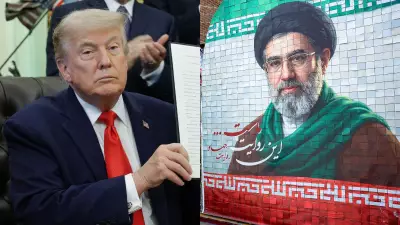
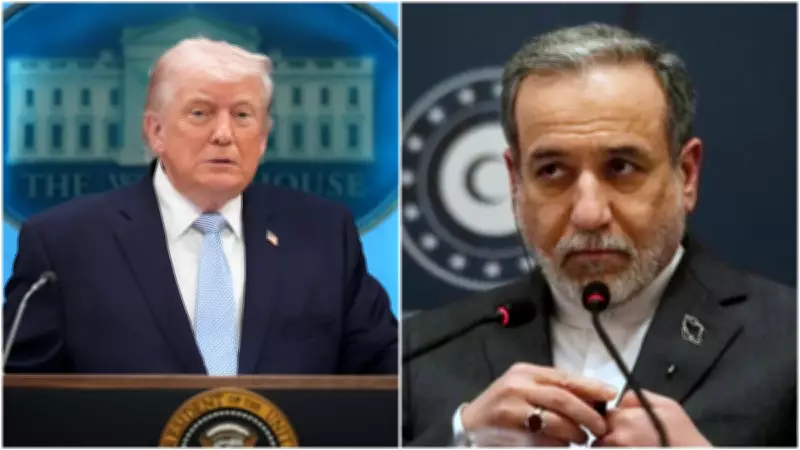
In a significant development aimed at de-escalating regional tensions, the United States and Iran have agreed in principle to resume diplomatic talks. This move comes amid ongoing concerns over security in the strategic Strait of Hormuz, a critical global oil shipping route that has been a flashpoint for conflicts. The agreement marks a potential thaw in relations between the two nations, which have been strained for years over issues including nuclear programs and regional influence.
Strait of Hormuz: A Key Focus of Negotiations
The Strait of Hormuz, located between Iran and Oman, is one of the world's most vital maritime chokepoints, handling approximately one-fifth of global oil shipments. Recent months have seen increased tensions in the area, with incidents involving naval vessels and threats to shipping lanes. The resumption of talks between the US and Iran is expected to address these security challenges directly, with both sides seeking to prevent further escalations that could disrupt international trade and energy supplies.
Diplomatic efforts are being closely watched by global powers, as stability in the Hormuz region is crucial for the world economy. The talks aim to establish protocols for safe passage and reduce the risk of military confrontations, which have previously led to spikes in oil prices and geopolitical instability.

Pakistan Army Chief's Visit to Tehran for Regional Security Discussions
In a parallel development underscoring the regional dimension of these tensions, Pakistan's Army Chief has arrived in Tehran for high-level meetings. The visit is focused on enhancing bilateral security cooperation and discussing shared concerns related to the Strait of Hormuz and broader Middle Eastern stability. Pakistan, which shares borders with Iran and has historical ties with both Iran and the US, is positioning itself as a mediator and key player in regional diplomacy.
This visit highlights Pakistan's strategic interest in fostering dialogue between conflicting parties, as the country seeks to bolster its role in international affairs. Discussions in Tehran are likely to cover counter-terrorism efforts, border security, and collaborative measures to ensure maritime safety in the Persian Gulf.
Implications for Global Diplomacy and Energy Security
The agreement between the US and Iran to resume talks, coupled with Pakistan's diplomatic engagement, signals a concerted effort to address one of the world's most volatile regions. If successful, these negotiations could lead to:
- Reduced military tensions in the Strait of Hormuz, ensuring uninterrupted oil flows.
- Enhanced diplomatic channels between the US and Iran, potentially paving the way for broader agreements on nuclear issues and regional conflicts.
- Strengthened regional alliances, with Pakistan playing a pivotal role in facilitating dialogue and security cooperation.
Observers note that while the agreement is a positive step, challenges remain, including deep-seated mistrust and competing geopolitical interests. The outcome of these talks will be critical for shaping the future of Middle Eastern politics and global energy markets.