The Fractured US-India Partnership: Why No Trade Deal Can Mend It
What was once hailed as a natural and strategic partnership between the United States and India is now fundamentally broken, and experts argue that no trade deal is likely to restore it to its former glory. This rupture represents a significant shift in global geopolitics, with profound implications for both nations and the broader international order.
The Golden Era of US-India Relations
Since 2004, bilateral relations between the US and India experienced a remarkable blossoming. This period was characterized by mutual recognition of shared values and strategic interests. President George W. Bush famously labeled India as a natural partner of the United States, emphasizing their common commitment to liberal democratic principles.
India was viewed as the sole Asian nation with the economic and military potential to serve as a counterbalance to China's expanding hegemony. This strategic alignment led to several landmark developments:

- The lifting of nuclear sanctions against India, a move that normalized India's nuclear status and opened doors for civilian nuclear cooperation.
- The initiation of arms sales and the transfer of dual-use technology, bolstering India's defense capabilities.
- American support in the creation of the Quadrilateral Security Dialogue (Quad), a strategic forum involving the US, India, Japan, and Australia to promote a free and open Indo-Pacific.
This era fostered deep trust and collaboration, positioning India as a pivotal ally in America's global strategy.
The Breakdown of Trust and Strategic Consensus
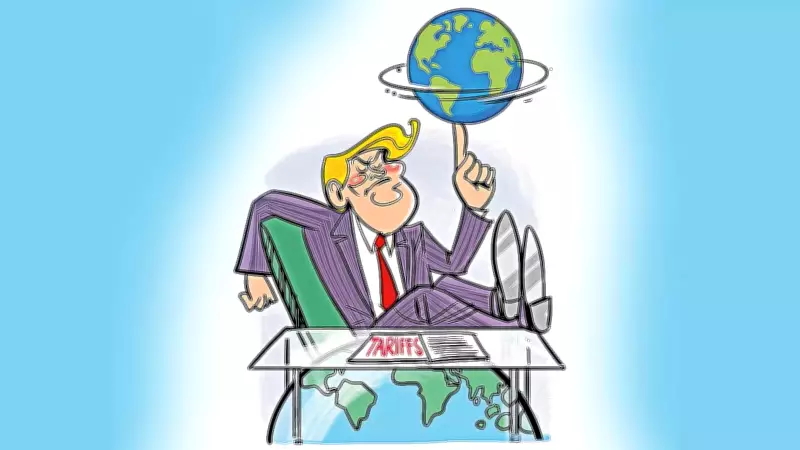
Today, that partnership lies in tatters. Trust, which takes decades to build, can be destroyed in mere seconds, and the current geopolitical climate exemplifies this adage. The fracture is not merely attributable to the transactional and often confrontational approach of former President Donald Trump, though his "crude muscle-flexing" has undoubtedly exacerbated tensions.
The core issue runs deeper. Trump's presidency challenged the entire post-World War II strategic consensus. For decades, the United States operated as what some analysts term an 'altruistic hegemon,' leading an international system where institutions, rules, and multilateral cooperation were paramount—not merely brute force.
This system, despite its numerous flaws and instances of hypocrisy, facilitated the greatest boom in global living standards in human history. Nations across the world, including India, reaped substantial benefits from this rules-based order, experiencing unprecedented economic growth and development.
Why a Trade Deal Cannot Bridge the Divide
The current rift between the US and India transcends simple trade disputes or tariff disagreements. It is rooted in a fundamental misalignment of strategic vision and eroded trust. A bilateral trade deal, while potentially addressing specific economic grievances, cannot rebuild the foundational strategic partnership that once existed.
The geopolitical landscape has irrevocably changed. The assumptions of a natural alliance based solely on democratic values and a shared rival in China are no longer sufficient. Both nations now navigate a more complex, multipolar world with divergent domestic priorities and strategic calculations.
Therefore, while diplomatic and economic engagements will continue, the prospect of reviving the deep, strategic partnership of the early 2000s appears increasingly unlikely. The broken trust and shifted global paradigms present obstacles that no single trade agreement can overcome.