

US Alleges China Conducted Secret Nuclear Test in 2020, Calls for New Arms Control Pact
The United States has leveled serious accusations against China, claiming it carried out a clandestine nuclear trial in 2020. This revelation came during a high-stakes international disarmament summit, highlighting escalating frictions between Washington and Beijing at a pivotal moment for global nuclear weapon management.
Detailed Allegations from US Official
US Under Secretary of State for Arms Control and International Security, Thomas DiNanno, addressed the Disarmament Conference in Geneva with specific charges. "I can reveal that the US government is aware that China has conducted nuclear explosive tests, including preparing for tests with designated yields in the hundreds of tons," DiNanno stated.
He further accused the Chinese military of attempting to conceal these activities. "China sought to obscure testing by obfuscating the nuclear explosions because it recognized these tests violate test ban commitments. They have employed 'decoupling', a technique to reduce seismic monitoring effectiveness, to hide their actions from international scrutiny," DiNanno elaborated.

According to the US official, one such "yield-producing test" occurred on June 22, 2020. Envoys present at the meeting noted these assertions were both new and deeply troubling, as reported by Reuters.
China's Firm Rejection and Counterclaims
In a swift and forceful response, China's representative for disarmament, Shen Jian, dismissed the allegations as baseless. "China notes that the US continues in its statement to hype up the so-called China nuclear threat. China firmly opposes such false narratives," Jian declared.
He emphasized Beijing's commitment to responsible nuclear conduct. "China has consistently behaved cautiously and ethically regarding nuclear matters," Shen asserted, shifting blame back to Washington. "The US is the culprit for the aggravation of the arms race," he added, criticizing American policies.
Broader Context of Nuclear Arms Control
These accusations emerge against a backdrop of significant changes in international arms control. The 2010 New START accord expired recently, leaving Russia and the United States without mandatory restrictions on their strategic projectiles and warheads for the first time in over five decades.
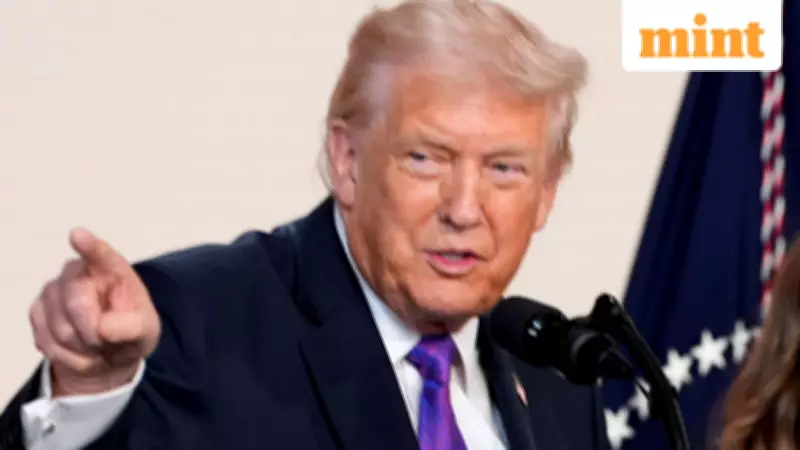
US President Donald Trump is advocating for a new, more inclusive framework that would involve China, which is rapidly expanding its nuclear arsenal. DiNanno argued, "Today, the United States faces threats from multiple nuclear powers. A bilateral treaty with only one nuclear power is simply inappropriate in 2026 and going forward."
However, Shen reiterated China's position, stating it would not participate in new negotiations with Moscow and Washington at this stage. "In this new era, we hope the US will abandon Cold War thinking and embrace common and cooperative security," he said.
Strategic Implications and Future Outlook
The allegations underscore growing strategic competition between the US and China, with nuclear capabilities at its core. Previously, the US had projected that China could possess over 1,000 nuclear warheads by 2030, adding urgency to calls for expanded arms control agreements.
Arms control negotiations are notoriously complex, and the geopolitical landscape has evolved considerably since the New START was signed. The expiration of this key treaty, combined with these new allegations, creates a volatile environment for global security discussions.
As both nations exchange accusations and defenses, the international community watches closely, aware that these developments could significantly impact future disarmament efforts and regional stability in Asia and beyond.






