UAE President's Warm Welcome in New Delhi Sets Tone for Strategic Visit
United Arab Emirates President Sheikh Mohamed bin Zayed Al Nahyan arrived in New Delhi on January 19, 2026. He came at the personal invitation of Indian Prime Minister Narendra Modi. This official visit was brief but carried immense symbolic weight for both nations.
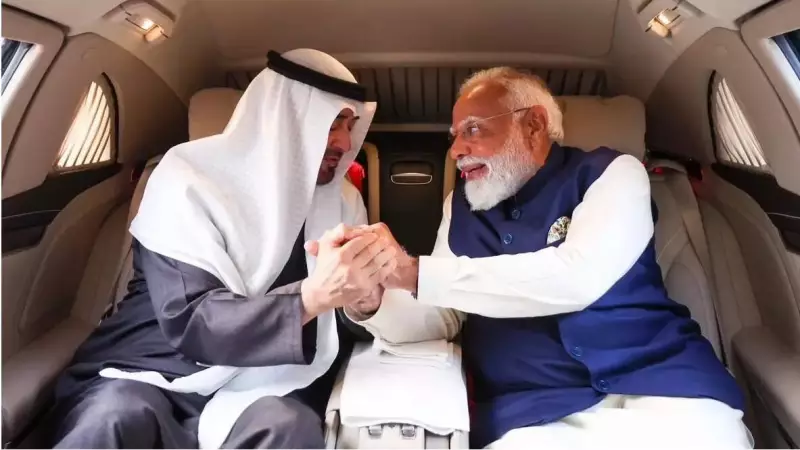
From the moment his plane touched down, the atmosphere felt more personal than purely diplomatic. Prime Minister Modi broke standard protocol to welcome the UAE leader himself at the airport. The two leaders shared a warm, visible embrace. This gesture perfectly captured the "brotherhood" narrative that India and the UAE frequently highlight in their relationship.
They then traveled together from the airport in the same vehicle. This simple act underscored a partnership that goes far beyond formal state ceremonies and paperwork.

Symbolic Gifts Highlight Shared Values and Culture
One of the most memorable parts of the visit occurred during a gifting ceremony at the Prime Minister's residence. PM Modi presented the UAE President with several traditional Indian gifts. Each item was carefully chosen for its cultural and diplomatic meaning.
- Royal Carved Wooden Jhula (Swing): This beautiful, handcrafted swing came from Gujarat. It featured rich floral carvings. In Gujarati households, a jhula symbolizes family togetherness, dialogue, and shared memories. The gift was a symbolic nod to the bilateral relationship. It also aligned with the UAE's declaration of 2026 as the "Year of the Family."
- Kashmiri Pashmina Shawl in an Ornate Silver Box: The shawl was handwoven from the finest wool in Kashmir. It was presented in a silver-crafted box made in Telangana. This gift represented India's treasured handloom craftsmanship and artistry.
- Gifts for Sheikh Fatima bint Mubarak: A similar Pashmina shawl and famed Kashmiri saffron were given to the UAE's "Mother of the Nation." This reflected deep respect for UAE national heritage and the important roles of women in leadership.
These presents were far more than ceremonial items. They were thoughtfully curated to echo shared values of family, tradition, craftsmanship, and heartfelt mutual respect.
Leaders Emphasize Deep-Rooted Friendship and Future Cooperation
Prime Minister Narendra Modi highlighted the visit's warmth and significance in a social media post. He called the UAE leader his "brother" and stressed the strength of bilateral ties.
"Went to the airport to welcome my brother, His Highness Sheikh Mohamed bin Zayed Al Nahyan, President of the UAE. His visit illustrates the importance he attaches to a strong India-UAE friendship. Looking forward to our discussions," Modi wrote.
UAE President Sheikh Mohamed bin Zayed Al Nahyan echoed this sentiment. He described the meeting as a chance to deepen cooperation further, with a clear focus on future growth.
"Today I was pleased to meet with Indian Prime Minister Narendra Modi in New Delhi to discuss opportunities to further strengthen the deep-rooted and historical ties of cooperation between our countries. Committed to fostering sustainable development and economic growth, the UAE and India will continue working together to drive progress in future-focused sectors while achieving mutual benefit for our nations and peoples," the UAE President stated.
Ambitious $200 Billion Trade Target and New Frontier Agreements
While the atmosphere was festive, the discussions between the leaders were strictly future-focused. Building on the success of the 2022 Comprehensive Economic Partnership Agreement (CEPA), they set a staggering new goal. The aim is to double bilateral trade to $200 billion by the year 2032.
To achieve this ambitious target, several key agreements in "new frontier" areas were signed during the visit:

- Energy Security: A 10-year deal for LNG supply between ADNOC Gas and India's HPCL, starting in 2028.
- Nuclear & Defense: Plans to explore Small Modular Reactors (SMRs) and a new Strategic Defense Partnership Framework.
- Space & Technology: A collaboration to develop space infrastructure and establish a supercomputing cluster in India.
Tangible Impact for Citizens in Both Nations
For residents in both the UAE and India, this high-level visit means more than just headlines. The focus on connecting Small and Medium Enterprises (MSMEs) is a key outcome. Initiatives like the "Bharat Mart" in Dubai and a "Virtual Trade Corridor" will put more local products on shelves and create more jobs in the market.
Furthermore, plans to integrate India's DigiLocker system with UAE platforms will soon make life easier for students and professionals. Academic credentials will be recognized instantly, making movement between these two brotherly nations smoother than ever before.
The visit successfully blended personal diplomacy with concrete strategic planning. It reinforced a partnership built on historical ties while aggressively charting a course for shared economic prosperity in the coming decade.