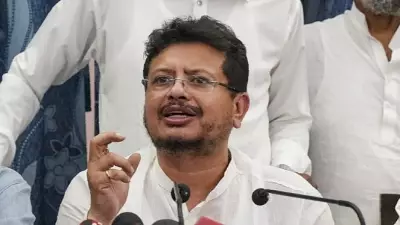
Two Ministers in Nepal's Interim Government Resign to Contest March Election
Two ministers serving in Nepal's interim government have officially resigned from their positions. They made this move to contest the upcoming March election. This decision marks a notable shift in the country's political landscape as key figures step down from executive roles to engage in electoral politics.
Resignations Announced Amid Election Preparations
The resignations come as Nepal prepares for its March election. Both ministers submitted their resignations to focus on their election campaigns. This action underscores the importance of the electoral process in shaping the nation's future governance.
Interim governments often face such transitions during election periods. In this case, the ministers' departures highlight the dynamic nature of Nepalese politics. Their resignations are expected to impact the interim administration's operations in the short term.

Implications for Nepal's Political Scene
These resignations could influence voter perceptions and party strategies. By stepping down, the ministers demonstrate their commitment to seeking direct public mandates. This move may set a precedent for other officials considering similar actions.
The March election is a crucial event for Nepal. It will determine the composition of the new government. The participation of former ministers adds an interesting dimension to the electoral race. Voters will now assess their records and future promises more closely.
Political analysts note that such resignations are common in democratic systems. They allow leaders to campaign freely without the constraints of official duties. In Nepal's context, this reflects a maturing political environment where electoral competition takes precedence.
Looking Ahead to the Election
As the election date approaches, all eyes are on Nepal. The resignations of these two ministers signal the start of intense campaigning. Their decision to contest could reshape political alliances and voter bases.
The interim government must now adjust to these changes. It may need to appoint replacements or redistribute responsibilities among remaining ministers. This transition period is critical for maintaining stability until the election results are announced.
In summary, the resignations of two ministers in Nepal's interim government to contest the March election represent a significant political development. It underscores the vibrancy of Nepal's democracy and the ongoing evolution of its governance structures.