Trump Retracts Canada's Board of Peace Invitation Following Carney's Davos Speech
In a significant diplomatic development, US President Donald Trump has withdrawn his invitation to Canadian Prime Minister Mark Carney to join the newly established Board of Peace. This decision comes directly after Carney's pointed remarks at the World Economic Forum in Davos, Switzerland, where he cautioned against a potential breakdown in the international order.
Carney's Davos Address Sparks Diplomatic Tension
During his speech at the prestigious World Economic Forum, Canadian Prime Minister Mark Carney delivered what has been described as an explosive address. He warned of a dangerous rupture in the rules-based international system, a clear allusion to policies and actions associated with President Trump, though he carefully avoided mentioning the US leader by name. Carney's comments highlighted growing global concerns about shifting geopolitical dynamics and the stability of long-standing international frameworks.
Trump's Swift Response and Board of Peace Launch
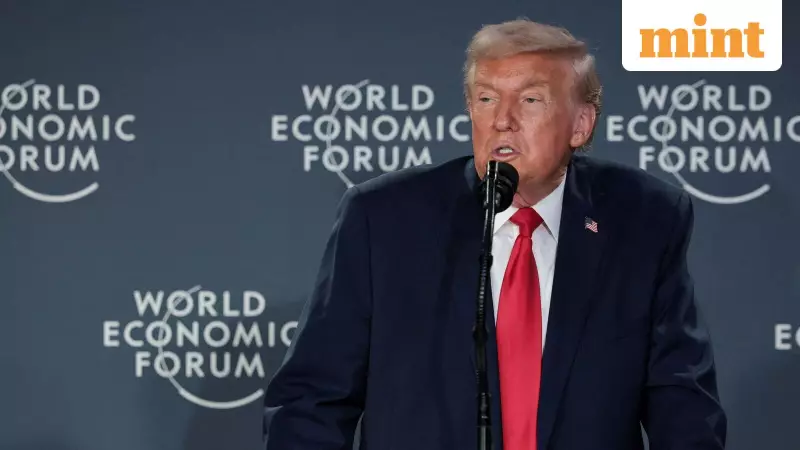
President Trump, who was attending the same forum, unveiled his Board of Peace initiative in Davos with representatives from 19 countries in attendance. However, shortly after returning from the event, reports confirmed that Canada's invitation had been formally withdrawn. This move is seen as a direct reaction to Carney's critical speech, underscoring the sensitivity of the current US administration to public criticism from allied nations.

The Board of Peace, Trump's latest diplomatic endeavor, aims to foster international cooperation, but this incident reveals the fragile nature of such initiatives when political tensions surface. The withdrawal marks a notable cooling in US-Canada relations, traditionally among the closest of allies.
Implications for International Diplomacy
This development raises important questions about the future of multilateral diplomacy and how nations navigate disagreements within established alliances. The situation demonstrates how public speeches at international forums like Davos can have immediate and tangible consequences on bilateral relations.
As this story continues to develop, observers will be watching closely to see how both nations manage this diplomatic friction and whether it affects broader cooperation on trade, security, and other shared interests. The incident serves as a reminder of how quickly diplomatic landscapes can shift in response to public statements and perceived slights.