Trump Warns Iran 'You Can't Blackmail Us' as Strait of Hormuz Tensions Escalate
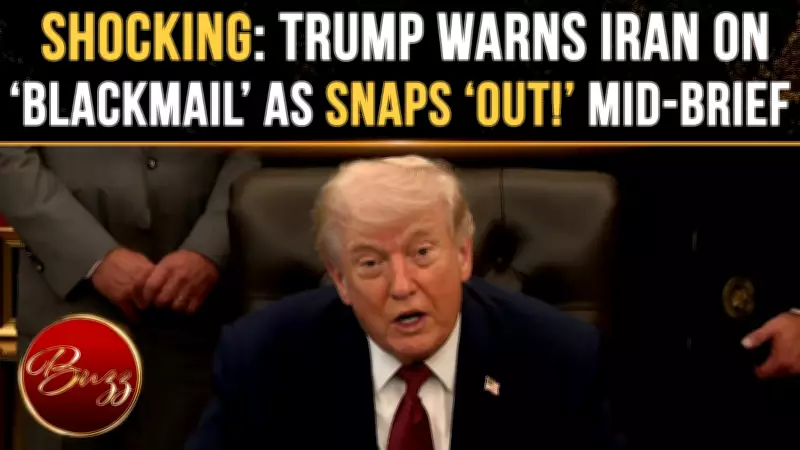
US President Donald Trump delivered a stark warning to Iran on Thursday, declaring "you can't blackmail us" amid escalating tensions over the strategic Strait of Hormuz. The president's abrupt statement came during a press conference where he addressed growing concerns about recent gunfire incidents in the vital maritime passageway that handles approximately one-fifth of the world's oil shipments.
Rising Tensions Threaten Global Energy Markets
The confrontation between Washington and Tehran has reached a critical juncture as multiple incidents of gunfire have been reported in the narrow waterway connecting the Persian Gulf to the Gulf of Oman. These developments have triggered alarm among international observers who fear potential disruptions to global energy supplies. The Strait of Hormuz serves as a crucial artery for oil exports from major producers including Saudi Arabia, Iraq, and the United Arab Emirates, making any instability in the region a matter of global economic significance.
Despite the heated rhetoric and military posturing, diplomatic channels between the United States and Iran reportedly remain open. Sources indicate that behind-the-scenes negotiations continue even as public statements grow increasingly confrontational. This delicate balance between diplomacy and military readiness has created a tense atmosphere reminiscent of previous crises in the region.

Military Movements and Strategic Implications
The United States has significantly bolstered its naval presence in the Middle East in response to the escalating situation. Recent deployments include:
- The USS Gerald R. Ford aircraft carrier entering the region
- A third aircraft carrier reportedly en route to reinforce US capabilities
- Enhanced surveillance and patrol operations in and around the Strait of Hormuz
These military movements come as Iranian officials have issued their own warnings. Iranian Parliament Speaker Mohammad Bagher Ghalibaf has threatened to "choke" the Strait of Hormuz in response to US pressure, while Mojtaba Khamenei, son of Supreme Leader Ayatollah Ali Khamenei, has warned the United States of "new defeats" should tensions continue to mount.
Broader Regional Context and International Reactions
The Strait of Hormuz confrontation occurs against a backdrop of broader regional instability. Recent developments include:
- Strained ceasefire arrangements in Lebanon following surprise strikes
- Continued tensions between Israel and Hezbollah forces
- Russian statements characterizing the situation as part of a larger global conflict
International energy markets have shown increased volatility in response to the developing situation. Oil prices have experienced fluctuations as traders assess the potential impact on supply chains. The situation has drawn attention from global leaders concerned about maintaining stability in one of the world's most strategically important waterways.
President Trump's warning represents the latest chapter in the ongoing tensions between Washington and Tehran that have characterized much of his administration's foreign policy approach. The abrupt conclusion of his press conference after delivering the warning to Iran underscored the seriousness with which the administration views the current standoff.