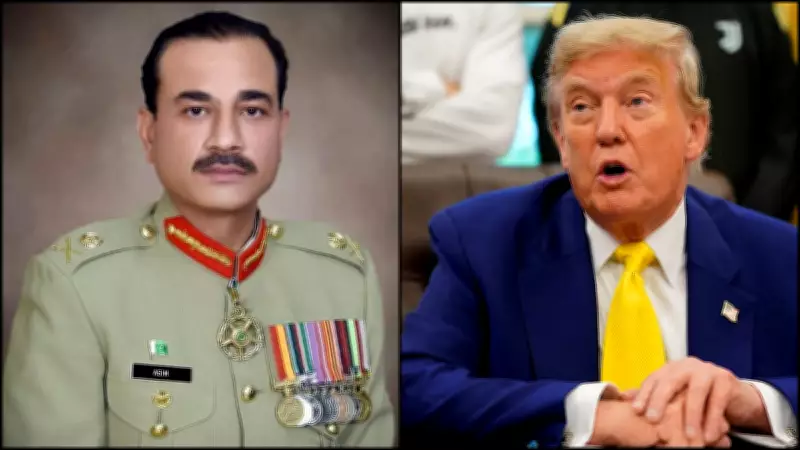
Trump Reportedly to Seek Pakistan's Munir's Counsel on US Blockade of Iranian Ports
In a significant development in international diplomacy, former US President Donald Trump is reportedly considering advice from Pakistan's military leader, General Asim Munir, regarding a potential US blockade of Iranian ports. This move comes amid escalating tensions in the region and highlights the complex geopolitical dynamics involving the United States, Iran, and Pakistan.
US Delegation Set for Islamabad Talks
According to sources, US representatives are scheduled to arrive in Islamabad on Monday for crucial negotiations concerning Iran. The timing of this visit underscores the urgency of the situation, as the US explores strategies to address Iranian activities that have raised security concerns. The delegation's agenda is expected to focus on coordinating efforts and seeking Pakistan's support in implementing measures against Iran, including the discussed port blockade.
Iran's Response Remains Uncertain
Meanwhile, Tehran has yet to announce whether it will send a delegation to Pakistan in response to these developments. This indecision reflects the delicate balance Iran must maintain in its foreign relations, particularly as it navigates pressures from the US and its regional allies. The lack of a confirmed Iranian delegation adds an element of unpredictability to the upcoming talks, potentially impacting the outcomes of the negotiations.

Strategic Implications of Munir's Involvement
General Asim Munir's potential role in advising Trump on the blockade issue is noteworthy, given Pakistan's historical ties with both the US and Iran. As a key player in South Asia and the Middle East, Pakistan's stance could influence the effectiveness of any US-led actions. Munir's counsel might involve insights into regional stability, economic impacts, and diplomatic repercussions, which Trump is likely to weigh carefully before making any decisions.
The consideration of Munir's advice suggests a shift towards more collaborative approaches in US foreign policy, even as it grapples with contentious issues like the Iranian port blockade. This development could pave the way for enhanced cooperation between the US and Pakistan on security matters, while also testing the limits of Iran's patience and response strategies.
Broader Context of US-Iran Relations
This report emerges against a backdrop of longstanding tensions between the US and Iran, which have been exacerbated by recent events. A blockade of Iranian ports would represent a significant escalation, potentially disrupting global trade and energy supplies. The involvement of Pakistan, through Munir, introduces a third-party mediator that could either facilitate dialogue or complicate matters further, depending on the outcomes of the upcoming talks.
As the situation unfolds, stakeholders worldwide will be closely monitoring the negotiations in Islamabad and any subsequent announcements from Tehran. The decisions made in the coming days could have far-reaching consequences for international relations and regional security in the Middle East and beyond.