Trump's Stark Warning to Iran: Fair Deal or Force
In a dramatic escalation of geopolitical tensions, former US President Donald Trump has issued a blunt ultimatum to Iran, threatening forceful action if the nation does not agree to what he terms a 'fair deal.' This warning comes at a pivotal moment as a high-level US delegation is en route to Pakistan for a second round of crucial talks, underscoring the complex diplomatic landscape unfolding in the region.
Trump's Hardline Stance on Iran
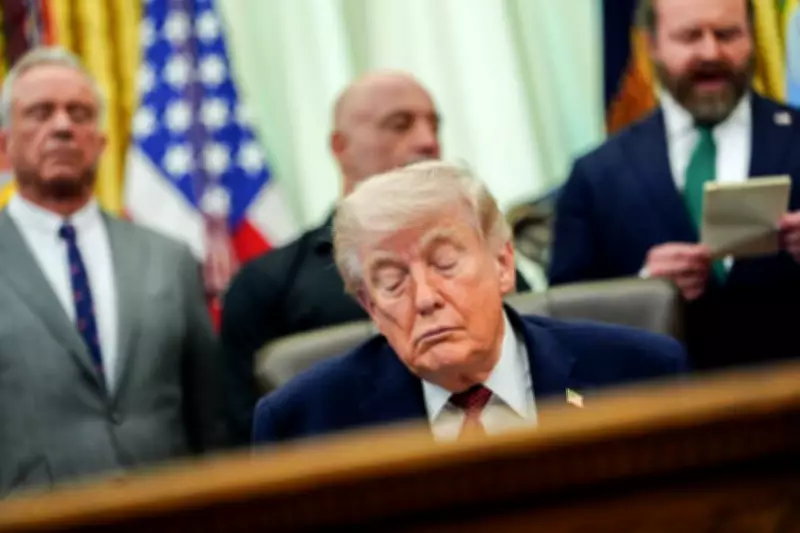
Donald Trump, known for his assertive foreign policy approach during his presidency, has reiterated his tough stance on Iran. In recent statements, he emphasized that the United States will not tolerate what he perceives as Iran's destabilizing activities and nuclear ambitions. Trump declared, 'It's either a fair deal or we will have no choice but to use force to protect our interests and those of our allies.' This rhetoric echoes his previous administration's policies, which included withdrawing from the Iran nuclear deal and imposing stringent sanctions.
The timing of Trump's remarks is significant, coinciding with ongoing international efforts to revive negotiations over Iran's nuclear program. Analysts suggest that his comments aim to pressure Iran into compliance while rallying domestic support ahead of potential political engagements. The threat of force, though not new from Trump, adds a layer of urgency to an already volatile situation.

US Delegation Heads to Pakistan for Second Round of Talks
Simultaneously, a US diplomatic team is traveling to Pakistan for a second round of talks, focusing on regional security and bilateral cooperation. This visit follows initial discussions held earlier, which addressed issues such as counterterrorism, economic partnerships, and the broader stability of South Asia. The delegation's agenda is expected to include discussions on Iran's influence in the region, given Pakistan's strategic location and historical ties with Tehran.
Experts note that these talks are critical for aligning US and Pakistani interests, especially in light of Trump's warnings to Iran. Pakistan's role as a mediator or stakeholder in Iran-related matters could be pivotal, making this diplomatic engagement a key component of US strategy. The outcomes may influence future policy decisions and regional dynamics, particularly if tensions with Iran escalate further.
Implications for Regional and Global Politics
The convergence of Trump's threats and the US-Pakistan talks highlights the multifaceted nature of international diplomacy. Key implications include:
- Increased Tensions: Trump's forceful rhetoric could exacerbate existing tensions with Iran, potentially leading to military confrontations or diplomatic standoffs.
- Diplomatic Leverage: The US may use these talks with Pakistan to build a coalition or gather intelligence to support its stance against Iran.
- Regional Stability: Pakistan's involvement adds complexity, as it balances its relationships with both the US and Iran, impacting stability in South Asia and the Middle East.
- Global Response: Other nations, including European allies and China, are likely monitoring these developments closely, as they could affect global energy markets and security frameworks.
As the situation evolves, stakeholders are urging for diplomatic resolutions to avoid conflict. The coming weeks will be crucial in determining whether Trump's warnings translate into action or if negotiations can pave the way for a peaceful outcome. The US team's discussions in Pakistan will be closely watched for signals of future policy directions and potential de-escalation efforts.