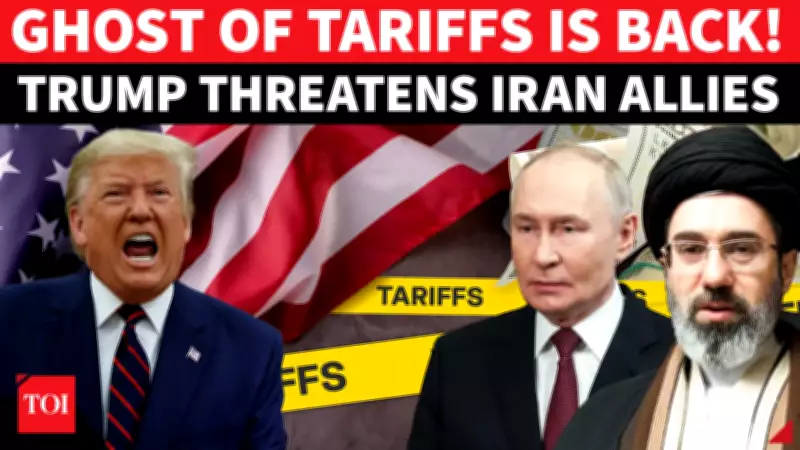
Trump Issues Stark Warning Over Iran Military Supply
In a dramatic escalation of economic pressure, US President Donald Trump has declared that any nation found supplying military weapons to Iran will face immediate and severe consequences. The announcement comes amid a fragile ceasefire with Tehran, highlighting the administration's hardline stance on curbing Iran's military capabilities.
Details of the Economic Threat
President Trump specified that offending countries would be hit with a 50% tariff on all exports to the United States, with no exemptions granted. This move represents a significant intensification of US economic sanctions, directly targeting nations that support Iran's military infrastructure.
The policy is designed to leverage America's economic power to deter foreign military assistance to Iran. By imposing such steep tariffs, the Trump administration aims to create substantial financial disincentives for any country considering arms deals with Tehran.

Context of the Announcement
This announcement occurs against the backdrop of ongoing tensions in the Middle East, particularly concerning Iran's activities and relationships with other global powers. The fragile ceasefire with Iran adds urgency to the administration's efforts to prevent further militarization.
While not explicitly naming specific countries, the warning is widely interpreted as targeting nations like Russia, which have historically maintained military ties with Iran. The threat underscores the Trump administration's willingness to use economic measures as a primary tool of foreign policy.
Potential Global Implications
The imposition of 50% tariffs could have far-reaching consequences for international trade and diplomatic relations. Countries engaged in military trade with Iran would face a difficult choice between maintaining those relationships and preserving access to the lucrative US market.
This development also raises questions about how other nations will respond to what they may perceive as economic coercion. The policy could potentially strain alliances and complicate existing trade agreements, particularly if implemented against close US partners.
Broader Strategic Considerations
Trump's announcement reflects a broader strategy of using economic pressure to achieve foreign policy objectives. By targeting Iran's military supply chains, the administration hopes to weaken Tehran's capabilities without direct military confrontation.
The timing of this threat, coming during a delicate ceasefire period, suggests the administration views economic leverage as crucial to maintaining pressure on Iran while avoiding escalation to open conflict. How Iran and its potential suppliers respond will significantly influence the region's stability in coming months.