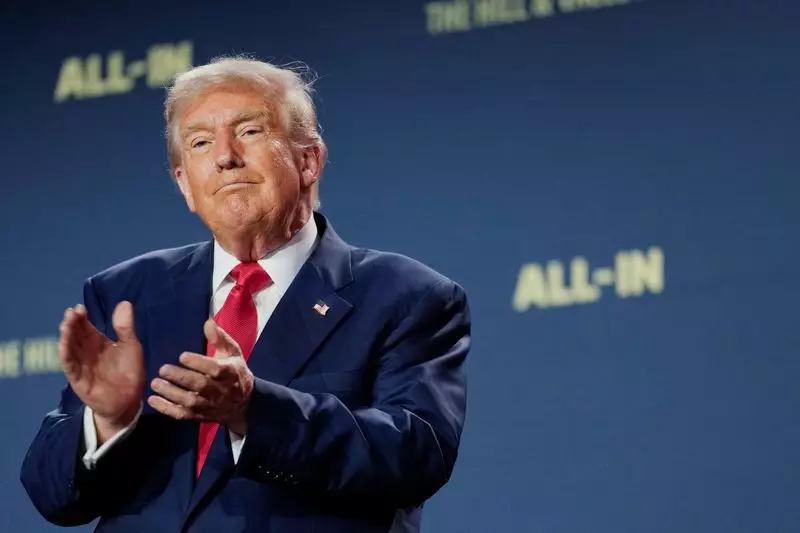
In a stunning revelation that has sent shockwaves through diplomatic circles, former US President Donald Trump has claimed he personally threatened both India and Pakistan with massive 350% tariffs to force an end to their longstanding conflicts. The explosive disclosure came during a recent campaign event, shedding new light on the unconventional diplomatic approaches taken during his administration.
The Tariff Threat That Shook Two Nations
According to Trump's account, the dramatic ultimatum was delivered during separate phone conversations with both Indian Prime Minister Narendra Modi and then-Pakistani Prime Minister Nawaz Sharif. The former president stated he explicitly warned both leaders that the United States would impose staggering 350% tariffs on all their exports if they failed to resolve their differences and end hostilities.
This revelation provides unprecedented insight into the Trump administration's aggressive approach to international diplomacy, particularly concerning the volatile relationship between the two nuclear-armed neighbors. The threat of such economically devastating tariffs represented one of the most direct and forceful interventions by an American president in the India-Pakistan conflict in recent history.

Direct Communication with Modi and Sharif
Trump specifically mentioned that both Prime Minister Modi and Prime Minister Sharif had called him personally to discuss the escalating tensions between their countries. These high-stakes conversations occurred against the backdrop of heightened military alerts and cross-border incidents that had raised global concerns about potential full-scale conflict.
The former president's account suggests he positioned himself as the ultimate arbiter between the two South Asian nations, using economic leverage as his primary tool of persuasion. This approach aligned with Trump's frequently stated philosophy of using American economic power to achieve foreign policy objectives, though the specific threat of 350% tariffs had not been previously disclosed.
What makes this revelation particularly significant is the timing and context. The India-Pakistan relationship has been characterized by:
- Ongoing territorial disputes over Kashmir
- Periodic military confrontations
- Historical tensions dating back to partition
- Multiple attempts at international mediation
Implications for Future Diplomacy
This disclosure raises important questions about the effectiveness and ethics of using economic threats in international conflict resolution. The 350% tariff threat represents one of the most extreme economic pressures ever considered against two major nations, both of which are important trading partners with the United States.
Regional security experts are now analyzing what impact, if any, this ultimatum had on the actual behavior of both governments. While public statements from both Indian and Pakistani officials have traditionally emphasized their commitment to bilateral resolution of issues, Trump's account suggests significant behind-the-scenes pressure from Washington.
The revelation also highlights the unconventional nature of Trump's diplomatic methodology, which often bypassed traditional state department channels in favor of direct leader-to-leader communication coupled with economic incentives or threats. This approach marked a significant departure from previous administrations' more measured diplomatic engagement in South Asian conflicts.
As geopolitical tensions continue to evolve in the region, this new information about the Trump administration's intervention strategy may influence how future US administrations approach the delicate India-Pakistan relationship. The disclosure also comes at a time when both nations are navigating complex economic challenges and strategic realignments in the global order.