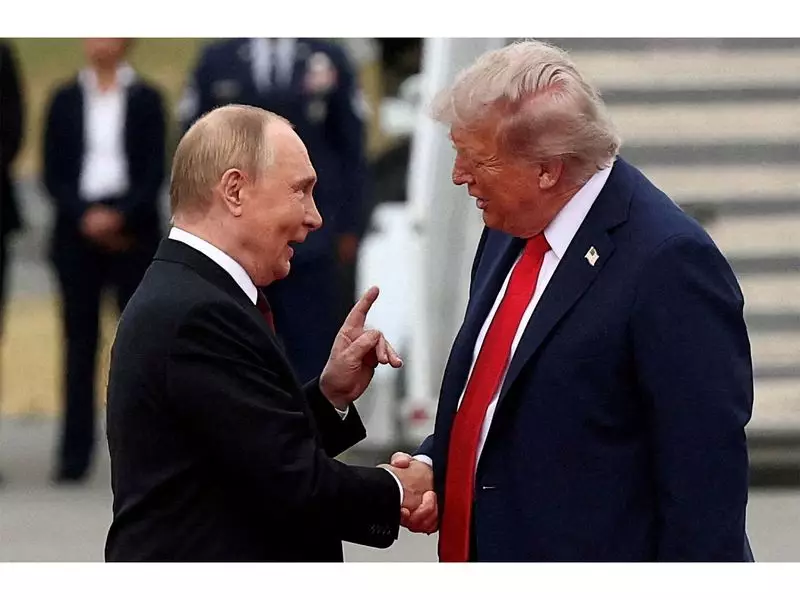
The Trump administration has been quietly advancing a new peace initiative aimed at resolving the long-standing conflict between Russia and Ukraine, according to recent reports. This diplomatic effort represents a significant behind-the-scenes attempt to broker peace in the troubled Donbas region.
Key Diplomatic Players and Meetings
Kurt Volker, the US special representative for Ukraine negotiations, has emerged as the central figure in these peace efforts. The seasoned diplomat has been actively engaged in shuttle diplomacy, holding multiple meetings with senior Russian officials including Kremlin aide Vladislav Surkov. These discussions have focused on finding common ground between the conflicting parties.
The peace initiative gained momentum following a crucial meeting between Volker and Surkov in August, where both sides explored potential pathways to de-escalate the situation. This marked one of the highest-level contacts between US and Russian officials specifically dedicated to the Ukraine crisis in recent months.

Core Components of the Proposed Peace Plan
The proposed framework centers on establishing a UN peacekeeping mission in the conflict-ridden Donbas region. This international force would be deployed along the line of contact between Ukrainian government forces and Russian-backed separatists, creating a buffer zone to prevent further hostilities.
The plan envisions a robust UN mandate that would extend beyond traditional peacekeeping roles. It proposes that international forces would have authority not only along the contact line but throughout the entire conflict zone, including the border areas between Ukraine and Russia that are currently under separatist control.
This comprehensive approach aims to create conditions conducive for implementing the Minsk agreements, which have remained largely stalled since their inception in 2015. The proposed UN mission would help facilitate local elections in Donbas under Ukrainian law and create security conditions necessary for political resolution.
Challenges and International Response
The peace initiative faces significant obstacles from multiple directions. Russia has expressed reservations about the scope of the proposed UN mission, particularly regarding the extent of the peacekeepers' authority in border regions. Moscow prefers a more limited mandate that would restrict international forces to protecting OSCE monitors along the contact line only.
Meanwhile, European allies have shown cautious interest in the American proposal but remain concerned about maintaining unity within the Western alliance. Some European diplomats worry that the Trump administration's approach might undermine existing sanctions policy against Russia without achieving concrete results.
Within Ukraine, the government of President Petro Poroshenko has welcomed the increased US engagement but insists that any peacekeeping mission must have a strong mandate that includes control of the border with Russia. Ukrainian officials emphasize that without border control, the conflict could easily reignite.
Strategic Implications and Future Prospects
This diplomatic push comes at a critical juncture in the conflict, which has claimed over 10,000 lives since 2014. The timing suggests the Trump administration is seeking to demonstrate progress on resolving international crises amid ongoing domestic political challenges.
The success of this initiative could potentially reshape US-Russia relations and alter the geopolitical landscape in Eastern Europe. However, experts caution that reaching a comprehensive agreement will require bridging substantial gaps between Russian and Ukrainian positions, as well as maintaining Western unity on sanctions policy.
As negotiations continue discreetly, the international community watches closely to see whether this latest peace effort can achieve what previous attempts have failed to accomplish - a lasting resolution to one of Europe's most persistent conflicts.