Trump Issues Ultimatum to Iran, Threatens Escalation Within 10 Days
In a significant development, US President Donald Trump declared on Thursday that America might take the next step in its ongoing standoff with Iran within the next 10 days. He issued a clear warning, stating that "bad things will happen" if a "meaningful deal" is not achieved through current negotiations. This announcement underscores the heightened urgency in US-Iran relations, as diplomatic efforts face a critical deadline.
Constructive Talks Amid Historical Difficulties
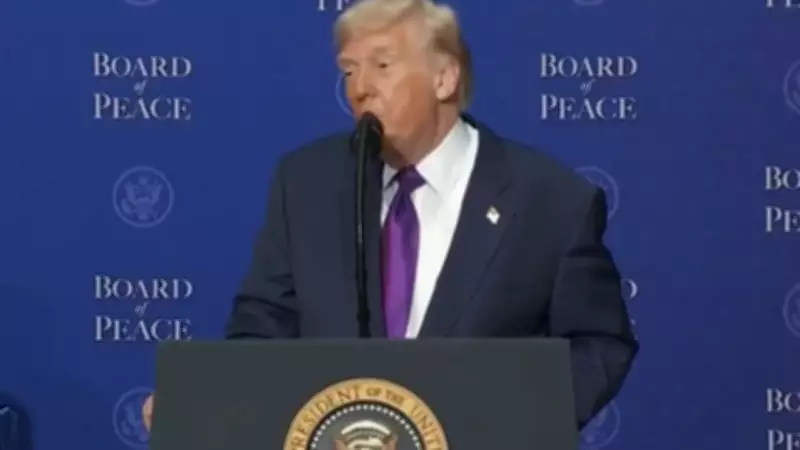
Speaking at a Board of Peace event in Washington, Trump acknowledged that talks with Iranian representatives are ongoing and described them as constructive. However, he cautioned that progress has historically been difficult, citing years of strained diplomacy. Referring to US negotiators Steve Witkoff and Jared Kushner, who are leading indirect talks with Iran, Trump praised their efforts, noting, "Good people and they like them both. They've had some very good meetings. They've had some very interesting meetings having to do with, as you know, Iran is a hotspot right now, and they're meeting and they have a good relationship with the representatives of Iran."
Imminent Decision Point and Potential Consequences
Trump elaborated on the timeline, emphasizing that if no meaningful deal is reached over the next 10 days, America might escalate its actions. He stated, "And, you know, good talks are being had. It's proven to be, over the years, not easy to make a meaningful deal with Iran. We have to make a meaningful deal, otherwise bad things will happen. So now we may have to take a step further or may not. Maybe we're going to make a deal. You’re going to be finding out over the next, probably, 10 days." This 10-day deadline signals an approaching decision point, with Washington prepared to consider other options if talks fail, though no official indication of immediate military action has been given.

Rising Tensions and Military Buildup in the Region
Trump's remarks come amid escalating tensions between Washington and Tehran. Recent reports, including from Reuters, indicate that the US has significantly increased its military presence in the Middle East. This buildup involves:
- Deployment of aircraft carriers
- Movement of fighter jets
- Addition of advanced defence systems to the region
Satellite imagery reviewed by Reuters has also shown Iran reinforcing key nuclear and missile-related sites, such as fortifying tunnel entrances and adding concrete shielding at sensitive facilities. Tehran has consistently denied seeking nuclear weapons, but these actions contribute to the volatile atmosphere.
Background of Strained Diplomacy and Recent Negotiations
The renewed push for a deal follows years of complex diplomatic history. Trump withdrew the United States from the 2015 nuclear agreement during his first term and has since advocated for a new, stronger arrangement. Efforts under former President Joe Biden to revive the earlier framework did not yield a final agreement. Recent negotiations in Geneva between US officials and Iranian representatives were described by both sides as constructive, but senior US officials have indicated that significant gaps remain, highlighting the challenges ahead.
Global Implications and Ongoing Monitoring
The combination of diplomatic deadlines, visible force deployments, and continued nuclear tensions has kept the spotlight firmly on US-Iran relations in recent days. As the 10-day timeline progresses, global observers are closely monitoring for updates, with potential implications for international security and Middle East stability. The outcome could shape future diplomatic strategies and regional dynamics, making this a critical moment in global affairs.