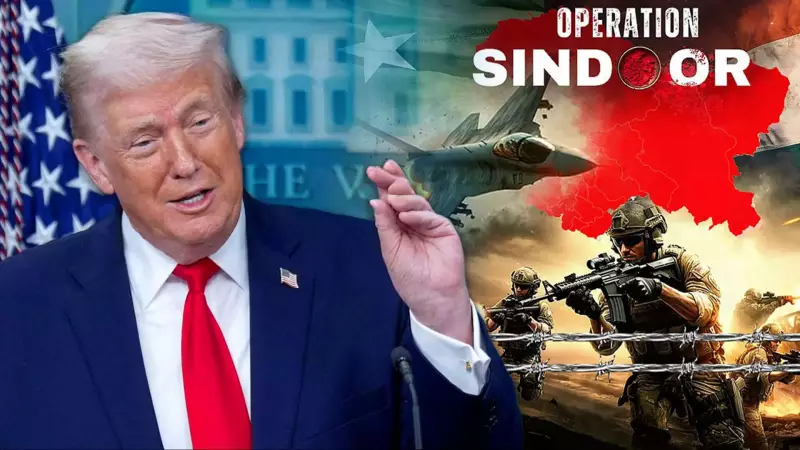
In a striking assertion that has reignited diplomatic tensions, former US President Donald Trump has once again claimed credit for preventing a catastrophic nuclear conflict between India and Pakistan. Marking the first anniversary of his second term in office, Trump addressed reporters at the White House, where he listed the India-Pakistan truce among several international disputes he purportedly resolved, insisting his personal intervention saved millions of lives during the escalation following Operation Sindoor.
India's Firm Rejection of Foreign Mediation
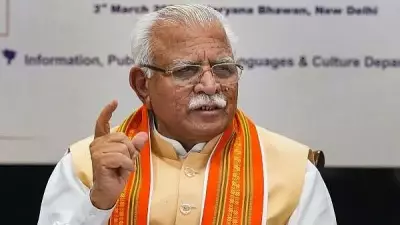
The Indian government has responded with a swift and categorical denial of Trump's version of events. Official sources in New Delhi have clarified that no external power played any role in the ceasefire that ended the April 2025 crisis, which was triggered by the devastating Pahalgam attack. This stance reinforces India's long-standing policy against third-party mediation in bilateral matters with Pakistan, emphasizing that such issues are to be resolved directly between the two nations.
The Context of Trump's Claims
Trump's renewed assertion appears to be linked to his ongoing push for recognition, including mentions of the Nobel Peace Prize, as part of his administration's projection of "365 wins in 365 days". However, this narrative has been met with skepticism in India, where officials view it as an attempt to rewrite history for political gain. The controversy underscores a deepening narrative gap between Washington and New Delhi, with India prioritizing its sovereignty and strategic autonomy above all else.

Broader Implications for India-US Relations
This episode highlights the delicate balance in India-US relations, where cooperation on global issues often coexists with firm disagreements over regional sovereignty. India's rejection of Trump's claims is not merely a rebuttal of a single statement but a reaffirmation of its core diplomatic principles. As global political storytelling evolves, India remains steadfast in its commitment to independent decision-making, regardless of external pressures or narratives.
The renewed focus on this issue comes at a time when both nations are navigating complex geopolitical landscapes, including trade tensions and strategic alignments. For India, maintaining clarity on its stance against foreign mediation is crucial to preserving its diplomatic integrity and national interests in an increasingly interconnected world.