

Trump's China Trip Postponed as Iran Conflict Upends US Foreign Policy
White House press secretary Karoline Leavitt confirmed on Wednesday that President Donald Trump's highly anticipated visit to China has been postponed. The decision comes as the escalating war between Israel and Iran commands significant attention from the US administration, disrupting foreign policy priorities.
New Dates Under Negotiation Between Washington and Beijing
Leavitt stated that both the United States and China are actively working to secure new dates for the presidential visit as soon as possible. President Trump had originally been scheduled to travel to Beijing from March 31 to April 2, marking what would have been his first trip to China during his 14-month-old second term.
In a brief statement to reporters, Trump indicated that the rescheduled visit would likely occur in "about five or six weeks." However, the White House has not provided any specific alternative dates at this time.

Chinese Embassy Confirms Ongoing Communication
A spokesperson for the Chinese embassy in Washington addressed the situation, saying, "China and the US remain in communication on President Trump's visit to China, including the dates. I have nothing to add at the moment." This confirms that diplomatic channels between the two nations remain open despite the scheduling change.
Iran Conflict Forces Foreign Policy Reset
The postponement directly results from the intensifying military confrontation in the Middle East. The United States has conducted strikes on Iranian missile sites near the strategic Strait of Hormuz, while Iran has retaliated with cluster bomb attacks on Tel Aviv. This conflict has created urgent demands on US diplomatic and military resources.
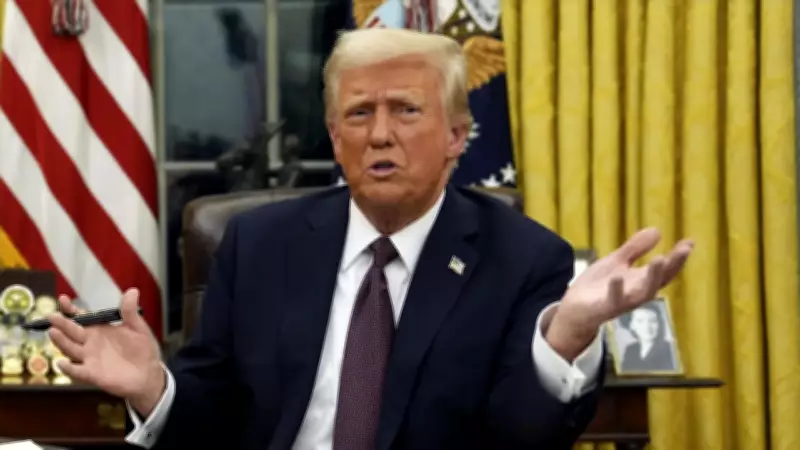
President Trump explained the decision in the Oval Office, telling reporters, "We are resetting the meeting. We're working with China. They were fine with it." The president acknowledged that the war with Iran has fundamentally disrupted his administration's foreign policy agenda.
Key Bilateral Discussions Sidelined by Delay
The postponement will temporarily halt important negotiations between Washington and Beijing on several critical issues. High on the agenda were discussions aimed at easing tensions over Taiwan, tariffs, computer chip exports, illegal drug trafficking, rare earth minerals, and agricultural trade.
These talks were expected to be a centerpiece of Trump's meeting with Chinese President Xi Jinping. The delay means these potentially contentious discussions will remain unresolved for several additional weeks.
Regional Escalation Complicates Global Diplomacy
The conflict in the Middle East has escalated dramatically with Iran confirming the death of national security chief Ali Larijani. Iranian President Pezeshkian has offered condolences, while Israel has admitted responsibility for the strike that killed the senior official.
This development has heightened fears about the security of oil shipments through the Strait of Hormuz, a critical global chokepoint for energy supplies. Trump's military campaign against Iran has unleashed significant economic and strategic consequences that now dominate the administration's attention.
The postponement of the China visit underscores how regional conflicts can rapidly reshape global diplomatic calendars, forcing even major power summits to be rescheduled as crises demand immediate attention.






